Why Buildings Collapse in Kenya
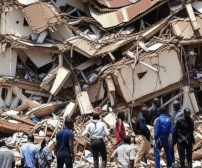
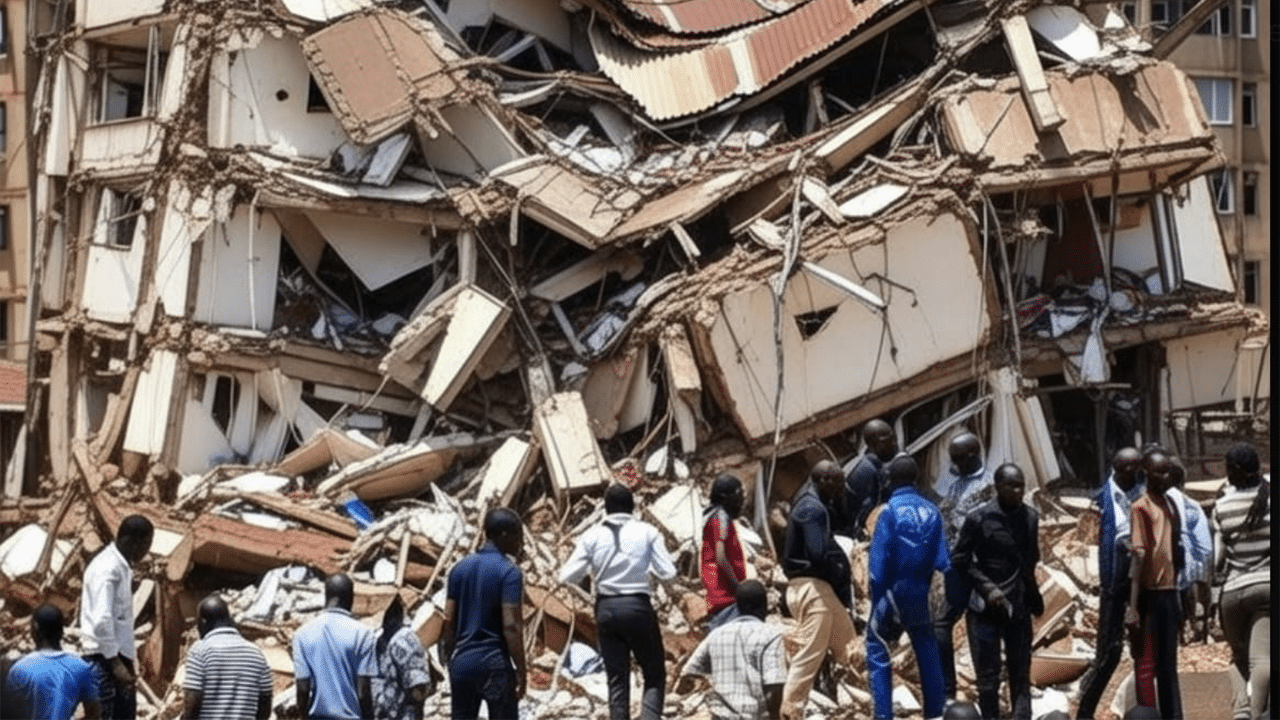
A building is a complex engineered structure that exists because of human planning, design and construction processes. When a building collapses, as we have seen in recent tragedies such as the South C and Karen incidents in Nairobi, the collapse is not an isolated event but a symptom of deeper corruption in Kenya’s construction ecosystem. These failures reflect systemic issues in regulatory systems, oversight practices and professional accountability rather than random accidents.
Construction is a process involving multiple key stakeholders, and collapse risks emerge when any party deviates from their roles or treats construction as a one-off “event” rather than a controlled sequence of responsibilities. In a standard project there are at least four essential parties: the client with the project vision, the consultants who plan and supervise, the contractor who executes, and the approving authorities who enforce compliance with technical and safety standards.
The starting point of accountability is the client or developer. Unfortunately, some clients do not prioritise skilled professionals, undervaluing the role of qualified architects, engineers and project managers. In other cases, clients may dismiss consultants after securing approvals; leaving no checks on the contractor’s execution. The pursuit of the lowest bid often leads clients to hire under-qualified consultants or contractors, inadvertently increasing structural risk and exposing the project to non-compliance and poor workmanship.
The contractor is responsible for the physical execution of the building and for ensuring materials and labour meet required standards. When consultants are sidelined or supervision is weak, contractors may cut corners to boost profit margins. This may include sourcing substandard materials or inadequate equipment and employing unskilled labour; all of which are known contributors to structural failures. Lack of oversight and collusion between contractors and other actors further weakens quality control and compliance.
Consultants are tasked with ensuring that designs are structurally sound and that construction adheres to industry standards. In many building collapse cases in Kenya, inadequate supervision, infrequent site visits and superficial oversight have been reported. When consultants provide only token supervision or merely rubber-stamp construction without rigorous checking, critical errors in execution go unnoticed until they culminate in catastrophic failure.
Approving authorities at county and national levels have a legal mandate to enforce building codes, inspect structures at key stages and prevent unsafe works from progressing. However, weak enforcement, inconsistent inspections and corruption in approval systems undermine regulatory effectiveness. Examples include intentional misclassification of land use, ignored stop orders and a lack of meaningful site visits. These regulatory failures allow unsafe construction to continue unchecked, even after plans have been approved on paper.
Building safety is a collective responsibility — from developers and professionals to regulators and the public. As a prospective buyer or tenant in Kenya, you should:
Request the Occupation Certificate for any completed structure.
Inspect for visible defects such as cracks, misalignment, or unusual settlement.
Evaluate drainage and site conditions around the property.
Your vigilance not only protects your safety but also encourages better compliance with building standards. At present, weak enforcement gives some authorities little incentive to proactively uphold regulations, knowing that unsafe buildings remain widespread.
For new and aspiring developers, the law is clear and must be respected at every stage of development. Compliance with design specifications, adherence to building codes and engagement with skilled professionals are non-negotiable. Regardless of who is blamed post-collapse, the structural damage and loss of life occur before that moment. My advice: consult broadly with experienced practitioners, embrace difficult but necessary guidance, and commit to doing what is right even when the circumstances make shortcuts tempting.
For more information, reach out to us via info@rickfes.co.ke
At Rickfes Construction Ltd, we uphold the highest standards of professionalism and full regulatory compliance, ensuring your project is delivered successfully and without costly setbacks.