
Performance of Luxury Tented Camps vs Boutique Hotels
Choosing between a luxury tented camp and a boutique hotel is not simply a question of which accommodation charges more per night. The two operate on different business models, attract different markets and depend on different factors to generate returns.
The Idea
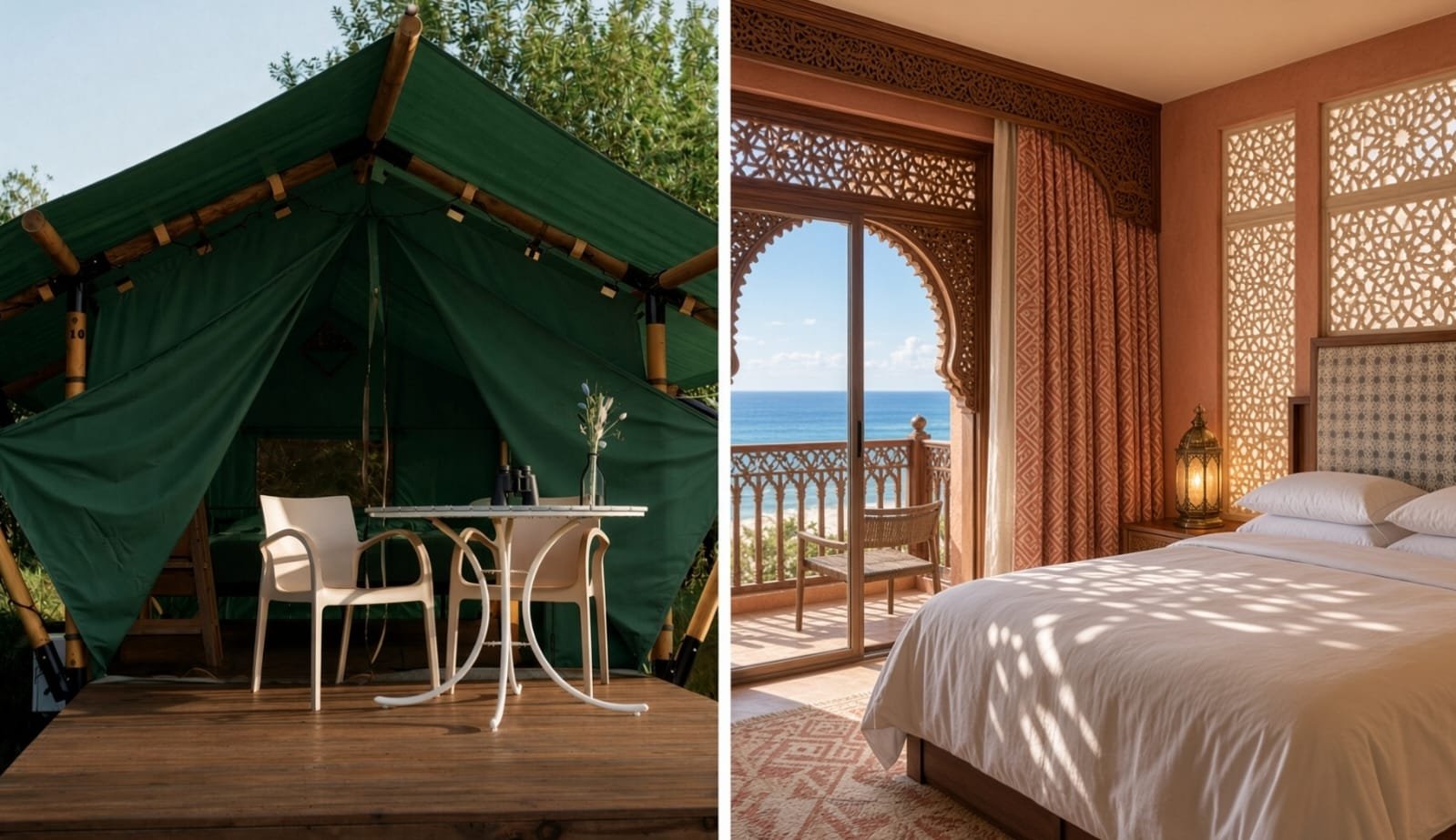
Luxury tented camps are generally designed around an experience rather than accommodation alone. They are common in wildlife conservancies, remote landscapes and destinations where visitors seek privacy, nature and exclusivity. Guests may pay a premium for the setting, personalised service and guided activities.
Boutique hotels typically serve a broader market. Depending on their location and positioning, they may attract business travellers, couples, domestic tourists, weekend visitors and guests attending local events. Their appeal is often based on convenience, comfort and general service. This wider market can provide more consistent demand, particularly in established towns, cities and common tourist destinations.
The Development Cost
A luxury tented camp may require less permanent construction than a conventional hotel, but this does not automatically make it cheaper to establish. High-quality accommodation tents, imported fittings, raised decks, wastewater treatment, solar power, staff facilities and access infrastructure can represent substantial costs. Tents, canvas and other exposed components will need periodic replacement.
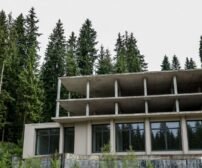
Boutique hotels generally require more permanent building work, including foundations, structural elements, roofing, finishes etc. The cost depends on the building specification, number of rooms, site conditions and supporting facilities.
The Revenue
Luxury tented camps can charge higher rates per occupied unit because the accommodation forms part of a specialised tourism experience. A relatively small camp may generate substantial revenue during peak periods without requiring a large number of rooms.
The challenge is maintaining sufficient occupancy throughout the year. Seasonal demand, adverse weather, limited accessibility and changes in international travel can significantly affect revenue. High nightly rates offer little protection when rooms remain empty.
Boutique hotels may charge less per night but benefit from a wider customer base and more frequent bookings. In the right location, weekday business travel, weekend leisure stays and local events can help balance demand.
The Operating Cost
A remote tented camp may need to generate its own electricity, treat water, manage waste and transport food, supplies and staff over long distances. Guest expectations can also be demanding, particularly where rates include meals, transfers and guided activities. Staffing costs per occupied unit may be high because personalised service is part of the product.
Boutique hotels may benefit from better access to utilities, suppliers and labour. However, they face their own expenses, including maintenance, housekeeping, security, utilities, marketing and the cost of competing with other accommodation providers.
Both models must also account for booking commissions, management fees, insurance, equipment replacement and periods of low demand. The camp’s canvas, decks and off-grid systems require maintenance, while the hotel’s permanent structures and building services also need long-term upkeep.
In conclusion, both options are assessed against the same financial criteria. And this is where a feasibility study comes in for a much clearer analysis. Neither option is inherently more profitable on paper. A tented camp in the wrong location can become an expensive liability, just as a boutique hotel in an oversupplied market can struggle to achieve sustainable occupancy. The objective of this study is to establish which concept the site and market can realistically support.
Luxury tented camps are generally designed around an experience rather than accommodation alone. Boutique hotels appeal on convinience.
For more information, reach out to us via info@rickfes.co.ke
At Rickfes Construction Ltd., we help investors, both local and foreign, evaluate such hospitality development opportunities. We assess market demand, location suitability, development and operating costs, revenue potential, occupancy assumptions and financial risks to help determine which concept is commercially viable before significant capital is committed.