
Property Rehabilitation as an Investment Opportunity in Kenya
Some of the most interesting property investment opportunities may not be found in buying land and putting up a new building. They may already exist, just often overlooked, underutilized or considered obsolete.
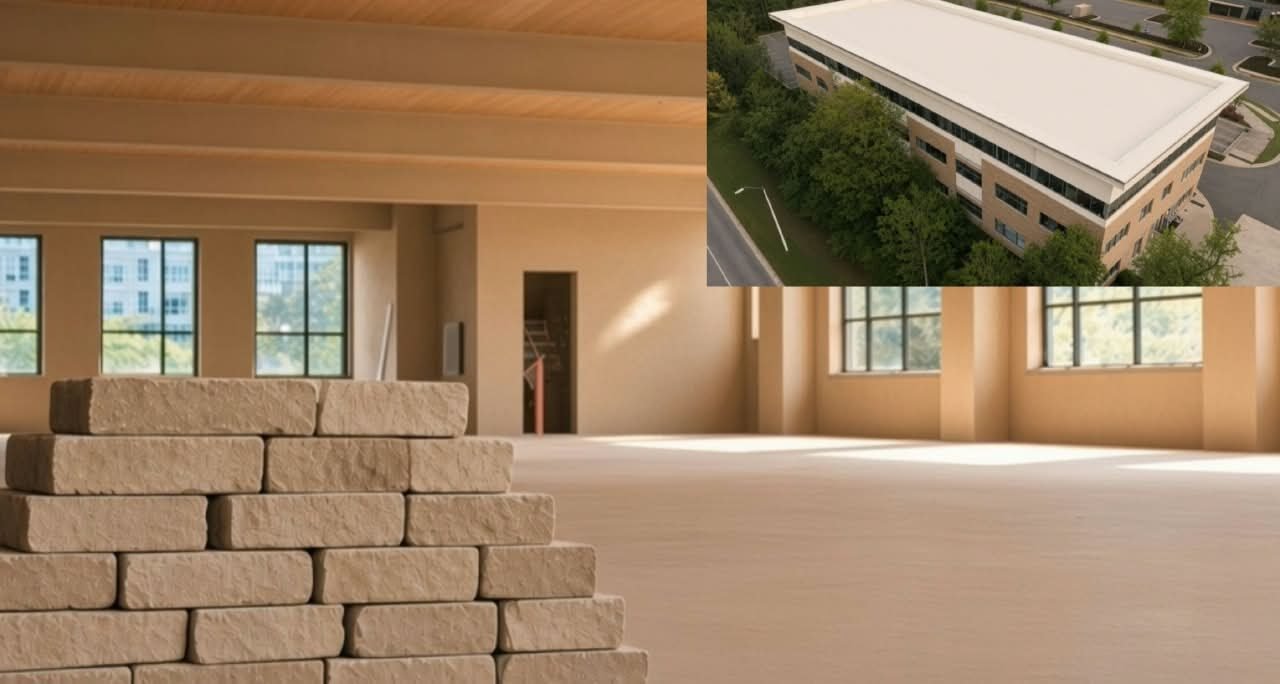
Across Kenya and East Africa, there are several buildings, especially industrial and commercial, that have outlived their original purpose. Some no longer compete effectively in their current market. Others have simply become unsuitable for the way people live, work and do business today. Yet, the buildings themselves may still have considerable value. This creates an increasingly relevant investment opportunity through adaptive reuse.
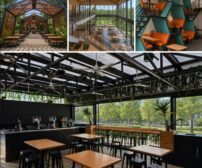
Adaptive reuse involves taking an existing building or property and giving it a new purpose, rather than demolishing it and starting again. An old warehouse, for example, could become a co-working facility. A redundant storage building could be transformed into a creative studio or production space. An old residential compound could be repositioned as a boutique hospitality destination.
The investment is therefore not necessarily in the construction of a new asset, but in unlocking the value that already exists within an existing one.
This can involve relatively simple interventions such as refurbishment, subdivision, services upgrades and changes to internal layouts. In other cases, it may require substantial architectural, structural and building-services modifications. The underlying principle remains the same; find a new use for an existing asset that can perform better economically than its current use.
The case for adaptive reuse is particularly relevant in East Africa as a developing economy, where investors face the increasing cost of land, construction, financing, etc. Building from scratch requires significant capital before an asset generates income. At the same time, many existing properties remain vacant, underutilized or economically obsolete. This is where circular design and investment come together.
Instead of viewing an old building as an obsolete asset, an investor can view it as an existing resource that may be capable of supporting an entirely different business model.
One example of this thinking can be seen in Kampala, where an existing warehouse was repurposed as a co-working and studio space. Along the Kenyan and Tanzanian coasts, including destinations such as Malindi and Zanzibar, older buildings and compounds associated with earlier periods of settlement and tourism have, in some cases, been incorporated into hospitality experiences rather than completely replaced.
Adaptive reuse should not, however, be confused with simply renovating an old building. The investment case must still work. The opportunity lies in identifying what the building could become, rather than simply sticking to what it was built to do. This shift in thinking can reveal opportunities that are hidden in plain sight.
In conclusion, before acquiring or rehabilitating an existing property, investors need to understand the condition of the structure and the associated cost of bringing the property to its new standard. Most importantly, there must be a viable market for the proposed new use.
The underlying principle remains the same; find a new use for an existing asset that can perform better economically than its current use.
For more information, reach out to us via info@rickfes.co.ke
At Rickfes Construction Ltd., we help potential investors identify, assess and structure such opportunities in Kenya and the wider East African market. This can include existing properties with potential for rehabilitation, adaptive reuse or repositioning, with our role extending from opportunity assessment and feasibility to development planning and implementation coordination.