
The True Cost of Building With Soil Blocks
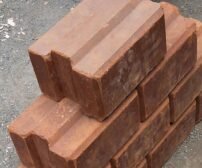
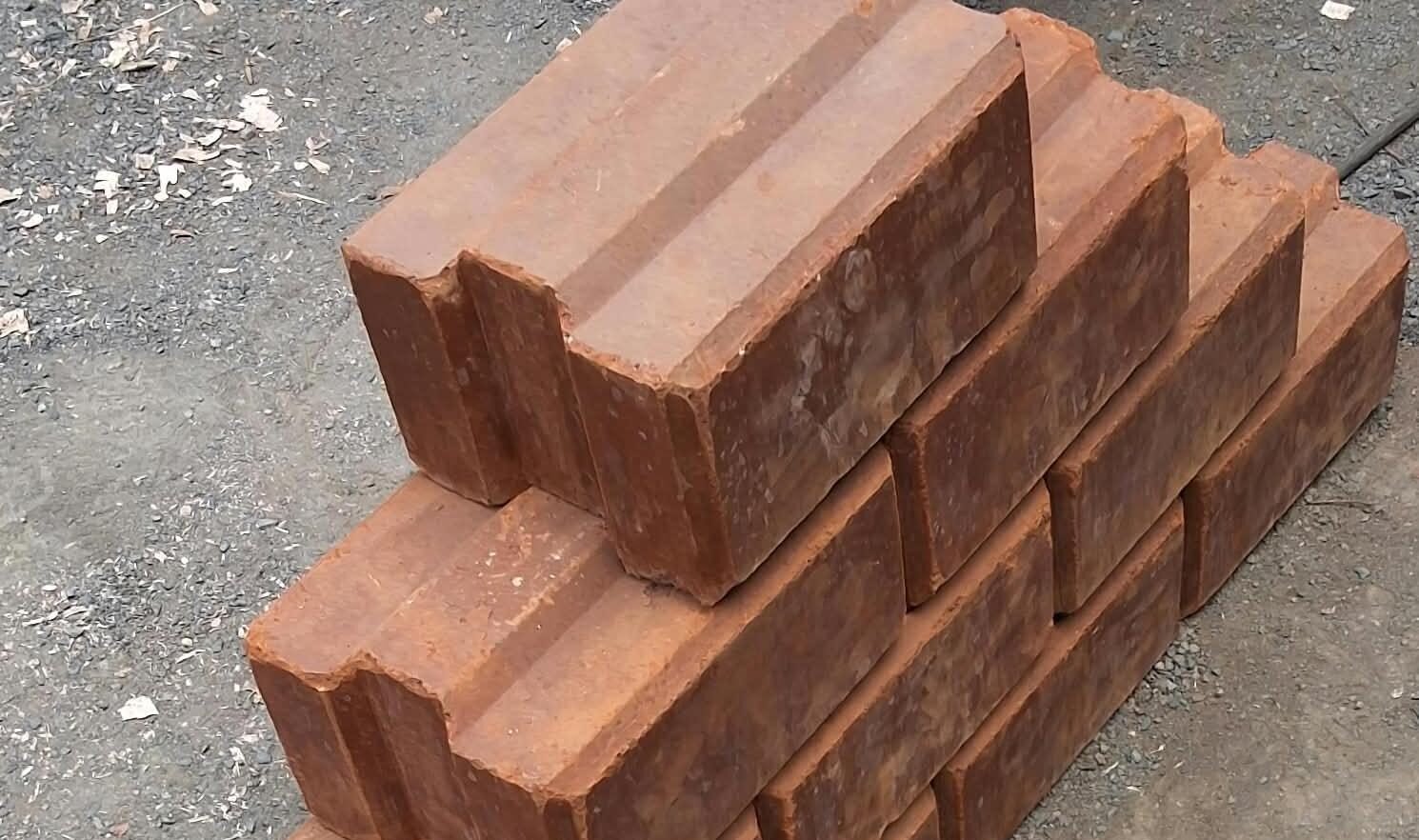
Soil blocks are often presented as an affordable alternative to conventional masonry. They can be. But first, its important we differentiate them from regular bricks. Bricks are made from mud mix placed in moulds and either sun dried or burnt in a kiln. Soil blocks are stabilized and compressed, mostly mechanically, and dried under a shade for curing.
Like rammed earth, the starting point is the mixed design itself. The quality of those blocks depends heavily on how the different materials are combined and controlled throughout production. Soil is not a standardised material. One site may have sandy soil, another may have excessive clay, while another may require additional sand or other materials to achieve a suitable grading.
This makes mix design one of the most important parts of soil-block construction. The soils, stabiliser (such as cement, lime or suitable fibers) and water in different proportions affect the density, strength, shrinkage, water absorption and durability of the finished block.
The correct mix therefore needs to be established through testing rather based on availability of the materials and respective site conditions than simply adopting a ratio used on another project.
Where suitable soil is readily available on site, the cost of importing material can be reduced. Where the existing soil is unsuitable, such as black cotton soil, everything may need to be imported. The stabiliser and its proportion will also depend on the soil characteristics and the performance required from the wall. This is why proper soil assessment should form part of the early planning of a rammed earth project.
The Equipment as a Sunken Cost
As mentioned earlier, there are blocks made by a machine. The size and shape can be custom made on the mould of the machine. This can feature straight or curved profiles or either flat or interlocking. It can be cheaper to buy the blocks if building at small scale but preferably better to buy if the project is large and an expansion is predicted as you can control the quality of the blocks as well.
The cost is calculated as sunken and not part of the built-up rate as it can be disposed after the work.
The Labour is fairly affordable
The material preparation phase is that which is more intensive as it needs specialized expertise in the mix approval, compressing the block and handling before curing.
Once properly cured blocks are available, however, wall construction can move faster. The individual units are already formed and can be stacked in a manner similar to conventional masonry, all without mortar.
Finishing the Wall
Where the blocks are intended to remain exposed, workmanship becomes particularly important because the block itself contributes to the final appearance. After curing, dust-proofing paint can be applied, much like with rammed earth.
Soil Blocks vs Rammed Earth
The two technologies share an important principle; the quality of the mix.
Rammed earth generally provides greater thermal mass because of its dense, continuous earth walls. Soil-block walls can still provide useful thermal performance, but their thermal regulation is generally lower than a properly designed rammed-earth wall of comparable mass.
Soil blocks, however, offer a different construction advantage. Once production is established, individual blocks can be stockpiled, transported and laid progressively. This can provide greater flexibility during construction.
In conclusion, soil blocks can reduce construction costs in the right circumstances, but they should be treated as an engineered building material rather than simply compressed soil. The real savings come from controlling the process from the soil source to the finished wall.
The correct mix therefore needs to be established through testing rather based on availability of the materials and respective site conditions than simply adopting a ratio used on another project.
For more information, reach out to us via info@rickfes.co.ke
At Rickfes Construction Ltd., we help clients assess and implement alternative construction methods such as soil blocks, based on their technical suitability, cost, performance and long-term value and thereafter implement.