
The Investment Lifecycle of Property in Kenya
Property investment is often viewed as a simple process: identify land, develop a property, find tenants and begin earning an income. In reality, a successful property investment is much more complex. A property passes through several stages before it becomes an operational asset, and each stage has implications for the next.
For an investor intending to hold property for many years, the investment does not end when construction is completed. It continues through management, maintenance, compliance, reinvestment, succession and eventually the disposal or transfer of the asset.
The Idea
Every property investment begins with an idea. This could be rental apartments, a commercial building, a holiday home, retirement residence, student accommodation, hospitality facility or simply acquiring land for future appreciation.
The first stage should therefore involve defining the purpose of the investment. Is the objective rental income, capital appreciation, personal occupation or a retirement, scheme? The intended holding period is equally important. A property intended to be held for three years should not necessarily be designed, financed or managed like one expected to remain in a family portfolio for thirty years.
Ownership and Investment Structure
Property investments are not always undertaken by a single investor. Developments may involve family members, friends, business partners, landowners, financiers or institutional investors.
The parties should establish from the beginning who owns what, who contributes capital, who is responsible for implementation, how decisions are made, how profits are distributed and what happens when one party wants to leave.
For larger developments, investors may consider using a company or special-purpose vehicle to hold and develop the property. The appropriate structure depends on the nature of the investment and should be guided by professional legal and tax advice.
Design and Construction
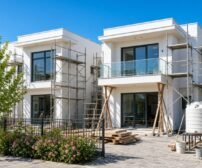
A building should be designed with its intended users, operating environment and future maintenance requirements in mind. Materials, finishes, mechanical systems, electrical installations, plumbing, drainage, roofing and external works all have different life expectancies.
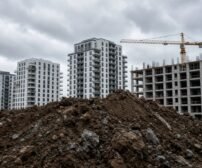
During construction, poor cost control, inadequate supervision, changes in scope, delays, defective workmanship and inappropriate procurement arrangements can significantly affect the final value of a project.
Operation and Maintenance
The property should have a clear operational plan before tenants or occupants move in. Who will manage the property? Who will collect rent? Who will respond to maintenance requests? Who will pay utilities and statutory charges?
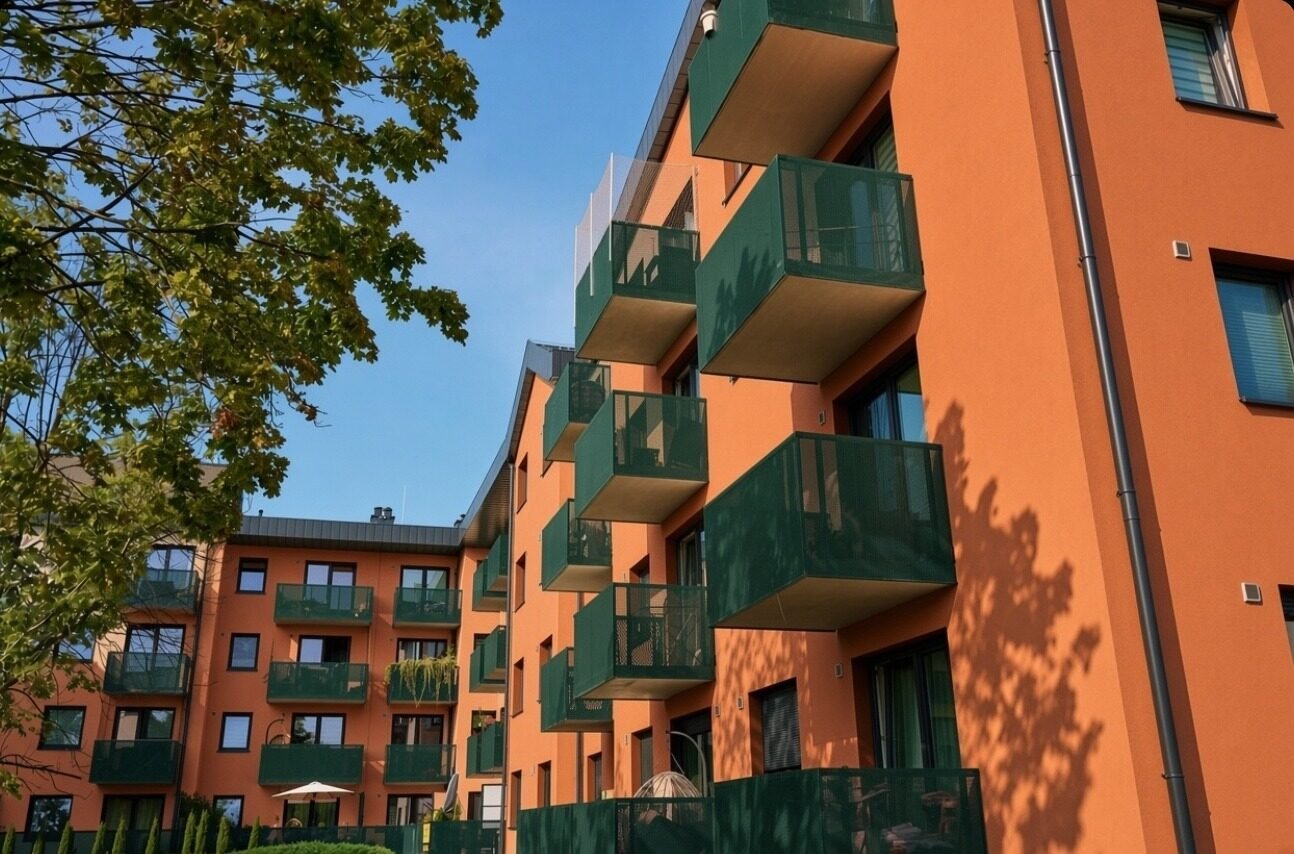
This may be the longest stage of the property’s life. A poorly maintained building can experience higher vacancies, declining rental values and deterioration in market value. Maintenance is therefore not simply an expense; it is part of protecting the investment.
Reinvestment, Adaptation or Exit
A property that is successful today may not necessarily remain successful twenty years from now. Neighbourhoods change, infrastructure improves, tenant preferences evolve and technology changes how buildings are used.
An investor should periodically review the performance and relevance of the asset. This may involve refurbishment, conversion, expansion, improved energy efficiency, new security systems or completely different uses.
In some cases, the highest value may eventually come from redeveloping or repositioning the asset. Where this is no longer viable, the property can be disposed of.
In conclusion, successful property investment is not measured only by the existence of the building at completion but rather how it performs throughout its useful life.
The first stage should therefore involve defining the purpose of the investment. Is the objective rental income, capital appreciation, personal occupation or a retirement, scheme?
For more information, reach out to us via info@rickfes.co.ke
At Rickfes Construction Ltd., we support investors through this journey, from understanding the opportunity and structuring the investment to development, project management and long-term considerations. For local, diaspora and foreign investors, proper investment facilitation helps ensure that the property is not only built, but structured to remain a viable and manageable asset over time.