

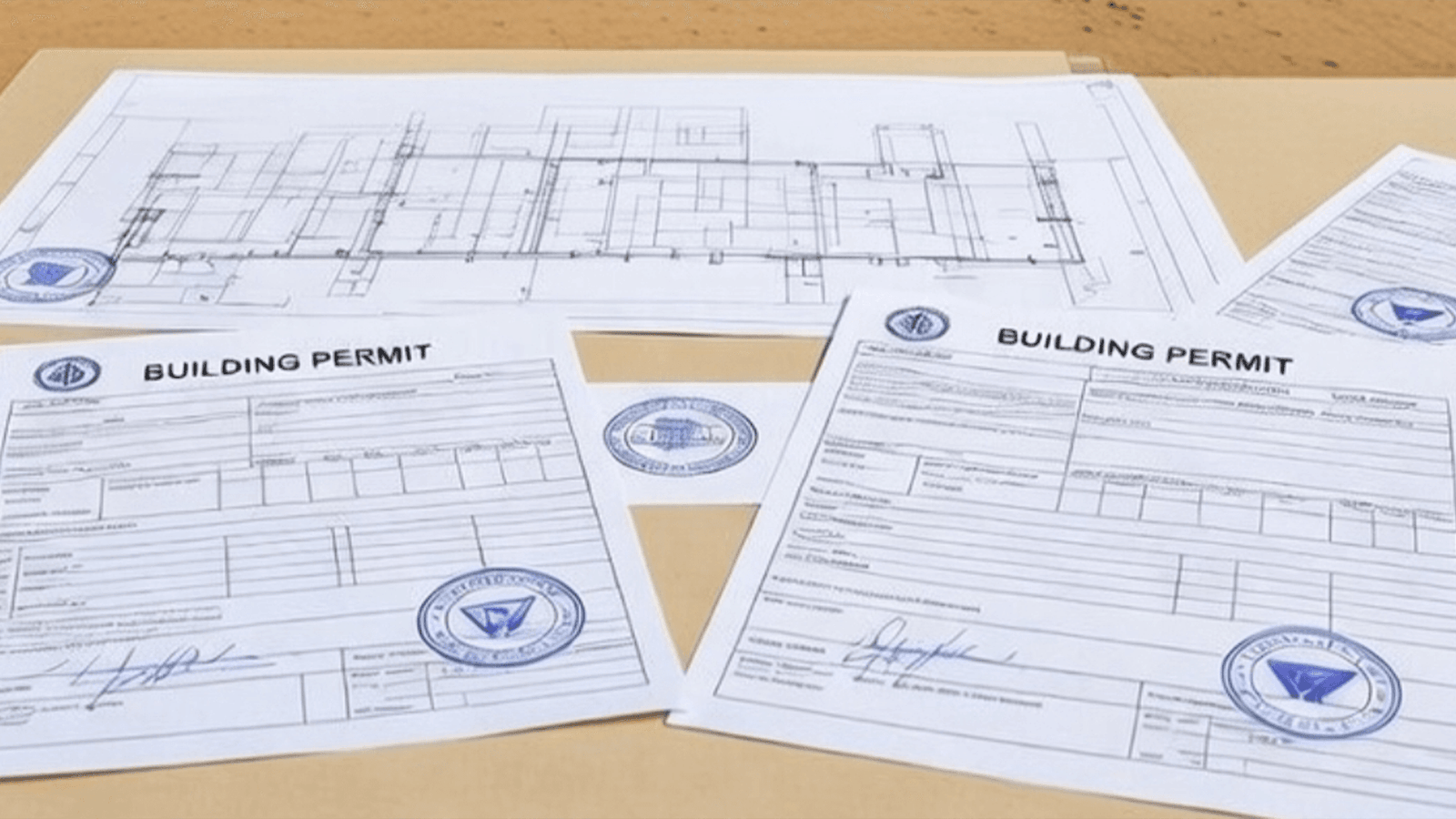
Building Approval Process in Kenya
As a client or property developer, it is important to clearly understand how building approvals work in Kenya; their purpose, procedures, and significance. The information shared here is factual, practical, and intended to help you make informed development decisions.
Why Are Building Approvals Required in Kenya?
Building approvals exist to ensure all developments comply with established design standards and legal requirements. These standards are set out in the Building Code and reinforced by several statutes, including the Public Health Act, Environmental Management and Coordination Act (EMCA), and other sector-specific regulations.
Through the approval process, minimum design standards such as room sizes, structural safety, environmental compliance, and public health considerations are enforced. This ensures uniformity, safety, and controlled development across the country.
It is also a legal requirement that all designs and consultancy services are undertaken by qualified and registered professionals, including architects, engineers, and quantity surveyors.
Types of Building Approvals in Kenya
Building approvals are obtained before construction begins and are broadly classified into primary and secondary approvals.
Primary Approvals
These are mandatory for most developments and include:
- County Government (Municipal County Council) Approval – MCC
- National Environment Management Authority (NEMA) Approval
- National Construction Authority (NCA) Registration
Secondary Approvals
These apply mainly to larger or urban developments and may sometimes be integrated into county approvals. They include:
- Excavation and disposal permits
- Hoarding permits
- Temporary structures permits
- Scaffolding permits
The Approval Process Explained
First, ensure your project is handled by a consultant registered with the relevant professional bodies. You will need:
- Stamped architectural drawings by a registered professional Architect
- Stamped structural drawings by a registered professional Structural Engineer
These are submitted to the county physical planning office where your project is located. The county issues a fee quotation, after which payment is made and receipted. Upon successful review, the county issues a PPA2 approval form, confirming municipal approval.
County approval fees typically include charges per square metre for architectural and structural drawings, health inspectorate fees, municipal engineer site visit fees, fire permit fees, general application fees, and change-of-user fees where applicable.
Legally, this process can take up to six months. While informal shortcuts may appear tempting, they are unlawful and strongly discouraged.
For NEMA approval, an Environmental Impact Assessment (EIA) expert is engaged to prepare and submit an EIA report. The client pays the consultant’s professional fee and an additional statutory charge of 0.01% of the project cost (as per the Bill of Quantities) or Kshs 10,000, whichever is higher.
Once county and NEMA approvals are obtained, the National Construction Authority (NCA) reviews the documentation. Required submissions include:
- Approved drawings from the county
- NEMA approval certificate
- PPA2 form
- Summary Bill of Quantities stamped by a registered Quantity Surveyor
NCA does not charge a registration fee, and construction may commence once documentation is submitted. Notably, it is the contractor’s responsibility to complete this registration.
Large-scale developments such as high-rise buildings require additional permits covering excavation disposal, temporary site facilities, hoarding, and enhanced urban planning checks, particularly in dense urban settings.
Which Buildings Require Approval?
Any structure with a foundation requires approval. This includes bungalows, maisonettes, villas, and multi-storey developments.
Construction must commence within one year of approval, after which approvals expire. The maximum approved construction period is typically 2-3 years.
County governments and NEMA have the authority to shut down unapproved or non-compliant projects, while NCA may suspend works that fail to meet safety or registration requirements.
Final Thought
Now that you understand the building approval process in Kenya, will your next project be fully compliant?
For reference, the total approval cost for an ordinary four-bedroom maisonette in Kiambu averages approximately Kshs 92,000.
Effective building approval systems are the backbone of planned cities, resilient infrastructure, and sustainable real estate growth
For more information, reach out to us via info@rickfes.co.ke
At Rickfes Construction Ltd, we guide our clients through the entire building approval process in Kenya, ensuring full regulatory compliance, professional documentation and smooth project execution so as to help you avoid unnecessary delays, penalties and costly mistakes.



2 Comments
Kevin murithi
August 28, 2026, at 5:56 pmI would like to know how to get a construction certificate
RBDs Ltd.
August 28, 2026, at 11:45 pmHello Kelvin,
Kindly expound more on that. Do you mean a construction permit?