
Debunking the Myths of Alternative Building Technologies in Kenya
The construction industry is evolving day by day. New generations have new preferences, new environmental demands are driving innovation, and the general approach to building particularly around budget, convenience of time and location is changing rapidly. For these reasons, Alternative Building Technologies (ABTs) are becoming increasingly relevant.
Some are new innovations, while others are traditional methods that were gradually forgotten despite their long-standing suitability to our environment.
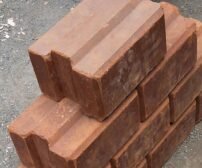
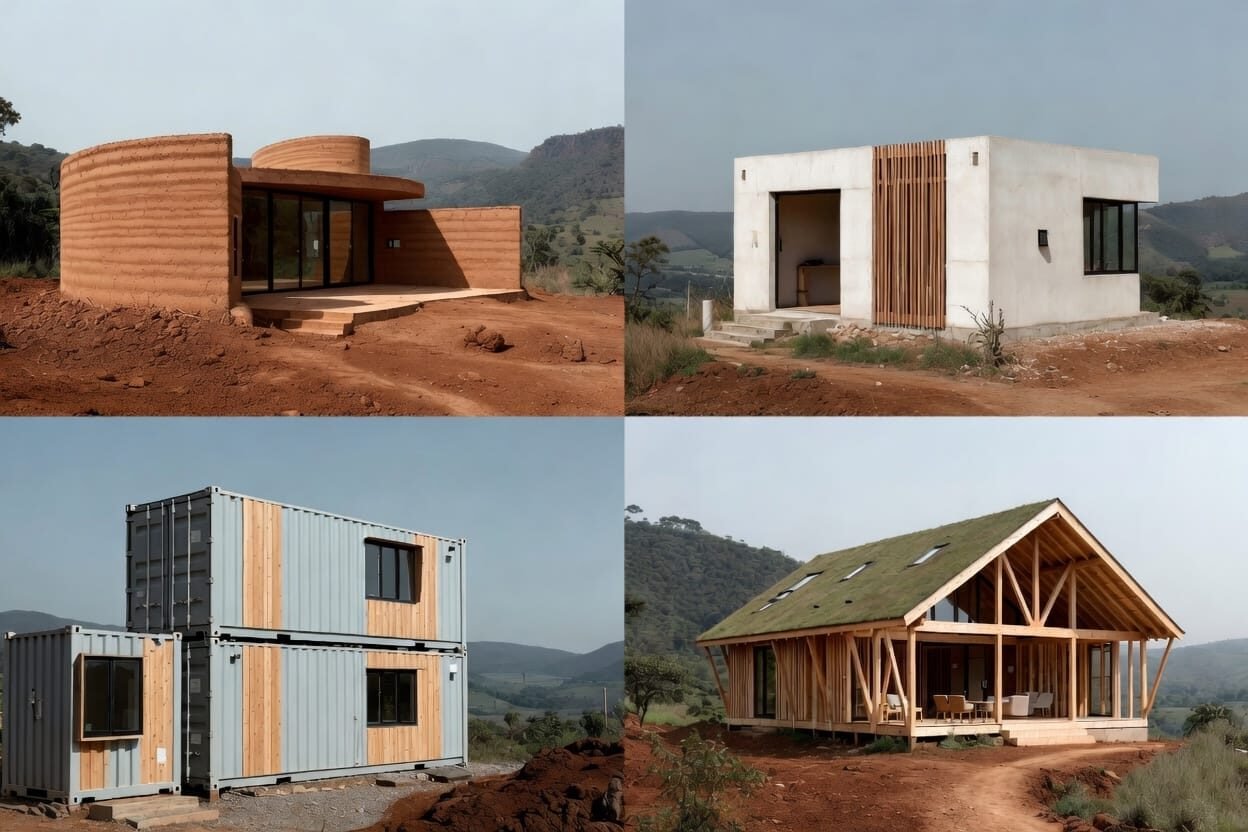
Fortunately for Africa, we have always been builders with earth and trees. The techniques may now be more advanced, but many concepts remain rooted in our heritage. Examples include rammed earth, Interlocking Stabilized Soil Blocks (ISSBs), compressed earth blocks, adobe bricks, fired bricks, mud houses, bamboo and timber frame construction. These are materials and systems that have long existed in our context, now being modernized through engineering and better execution methods.
Other technologies are emerging from outside the continent, largely driven by the need for faster construction, reduced dependence on weather conditions, adaptability to difficult locations, and more efficient use of materials. These include modular construction, prefabricated structures, containerized buildings, recycled plastic products, engineered materials such as hempcrete, insulated foam systems, straw bale construction and even 3D printing.
Most of these innovations also support the circular economy; the idea of reusing abundant or discarded materials in better ways.
At the same time, there are genuine concerns in the market. Many unqualified players have entered the ABT space. Some simply treat it as a business trend without understanding what best suits the end user. Others operate questionable schemes, oversell unrealistic promises, or push products that are poorly tested. This has created many myths around this concept.
One of the biggest misconceptions is that local available materials automatically mean cheap construction. That is not always true. Material availability can improve affordability, but cost still depends heavily on project specifications, workmanship, structural requirements and design intent. Even if you choose to build with natural materials, construction must still respect the principles of form, function, durability and structural integrity. Construction remains a science.
Consider rammed earth, for example. Suitable soil may be available on or near site, but that alone does not guarantee success. The soil must first undergo testing, a proper mix design established and mock-up walls constructed before full implementation. This ensures quality, strength, and long-term performance.
Foreign ABTs also have strong value, especially in commercial applications. They are fast to construct and highly convenient where time is a major project driver. They are often marketed as cheap because of labour and time savings, but the true economics depend on scale, purpose and lifecycle suitability. Developers must also understand future maintenance requirements, sourcing of replacement components, and how well those systems fit local conditions.
You will appreciate African systems when you genuinely accept to shift from the conventional status quo and align your brief with your budget, and genuine desired experience. You will appreciate modern modular systems when speed, portability and scalability are priorities.
In conclusion, Alternative Building Technologies are neither automatically cheap nor less risky. What matters most is choosing the right technology for the right purpose and executing it professionally and this part of what we do at Rickfes Construction Ltd.
Material availability can improve affordability, but cost still depends heavily on project specifications, workmanship, structural requirements and design intent.
For more information, reach out to us via info@rickfes.co.ke
At Rickfes Construction Ltd, we help clients/developers design and develop off-grid homes using shipping containers and other innovative building technologies. Whether it’s a private retreat, farm accommodation or rental property, we provide planning, construction and technical expertise to implement your vision.