

Hospitality Development Mistakes Investors Make
The hospitality industry in Kenya and the wider East African region has always attracted tourist-driven investment. This is favoured by the natural advantages such as; favourable weather, wildlife, diverse cultures, beautiful landscapes and welcoming communities. These make it an attractive destination for both international and domestic visitors.
As the market grows, so does the interest in developing hotels, resorts, lodges, serviced apartments and other hospitality facilities. However, having a good location, an impressive building and expensive furnishings does not automatically translate into a successful hospitality business. First time developers need to be keen on what to complement the market with.
Prioritising Aesthetics Over Guest Experience
One common mistake is placing too much emphasis on how a facility looks while paying insufficient attention to the experience it offers. A beautiful lodge is worth little if the guest has nothing meaningful to do beyond admiring the building.
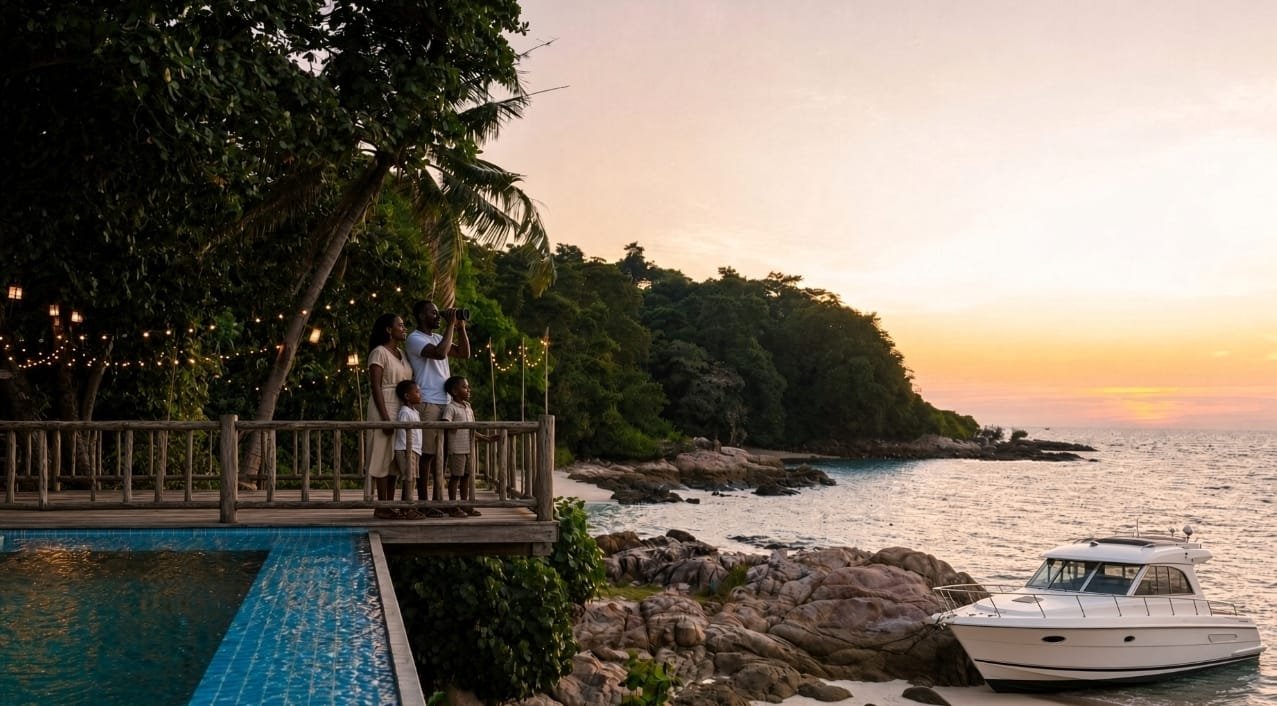
Investors can spend heavily on architectural finishes, imported furniture, elaborate swimming pools and impressive interiors, yet overlook the smaller details that influence a guest’s stay. These include the quality of service, food, local experiences, accessibility, privacy, comfort and interaction with the surrounding environment.
The surrounding communities are part of the hospitality experience. Local food, cultural activities, traditional crafts, storytelling and guided experiences can give visitors a genuine connection to the destination. Developers should consider how local communities can participate and benefit, rather than treating them as an afterthought.
Ignoring the Domestic Tourism Market
Another mistake is designing hospitality facilities exclusively around international tourists. This makes viability of the facility to seasonal as it depends on international travel patterns.
While international visitors are an important market, domestic tourism presents considerable opportunities. A Kenyan living in Nairobi may want to spend a weekend at the coast, visit the Maasai Mara or take a few days away in Naivasha. Someone living in Mombasa may want a mountain getaway. They are tourists too.
This does not mean every facility must compete on price or target every customer. It means understanding the local market, its spending patterns, travel habits and expectations, then developing packages and experiences that make domestic travel attractive and accessible.
Not having a facility that is complemented by the exact location
A beach resort, a safari lodge and a business hotel serve different markets and have different operating requirements. A scenic location does not make just any facility of your choice to be viable.
There needs to be clarity on how exactly that location is serving the customer and offers convenience to their overall experience. That is why you will find tourists preferring a different location despite of it not being that popular but still serves them.
In conclusion, successful hospitality development needs to be structured around guest experience and the realities of operating the business. The experience must justify the cost of the stay, whether for a local or international tourist.
The surrounding communities are part of the hospitality experience. Local food, cultural activities, traditional crafts, storytelling and guided experiences can give visitors a genuine connection to the destination.
For more information, reach out to us via info@rickfes.co.ke
At Rickfes Construction Ltd., we help local and foreign investors assess and structure hospitality development opportunities in Kenya and the wider East African region. We help evaluate market demand, location suitability, development concepts, investment requirements and operational considerations to ensure that the proposed facility is aligned with its target market and commercial objectives.