
How to Build Within Budget in Kenya
When building that house or apartment, staying within budget is an outcome of thorough planning and professional project management. Most budget failures start with baseless assumptions.
As a client, the first step is to hire a competent professional team while managing your expectations and cooperating throughout the process. Project cost is determined by your specifications inline with the prevailing market rates. Cost optimization is part of the professionals’ role, but they must be selected based on proven ability, not just titles.
An Architect, for example, is responsible for producing a design that is practical on site, reduces ambiguity and minimizes wastage so that every space serves its intended purpose. Rushed or incomplete designs; often produced by unqualified practitioners are corrected on site, leading to rework and delays, both of which have financial consequences. The same applies to engineering design.
The Quantity Surveyor prepares the Bill of Quantities, which clearly outlines the project cost. They must be given sufficient time to measure and quantify items accurately according to specifications. If this is not done properly, provisional sums become unavoidable and often lead to uncontrolled spending.
During construction, change control is critical. Client-initiated changes are inevitable but must be managed firmly and professionally to avoid disputes. Every variation should be assessed for cost and time implications before approval. Timely approvals are equally important; delays extend the construction period, resulting in idle labor and exposure to price escalations.
The procurement strategy also plays a key role. Bulk purchasing and competitive sourcing, especially for large projects, reduces costs and quality risks. Last-minute purchases often compromise on quality. A works program prepared by the project manager guides this process.
Quality control on site is another major factor. A competent contractor must be engaged to reduce workmanship risks. Poor workmanship leads to rework, and rework means paying twice for the same output. Regular supervision, inspections, and enforcement of standards go a long way.
Risk management is also essential, especially for factors beyond human control such as harsh weather and market volatility. These risks should be identified during planning, with contingencies created in advance to keep the budget intact.
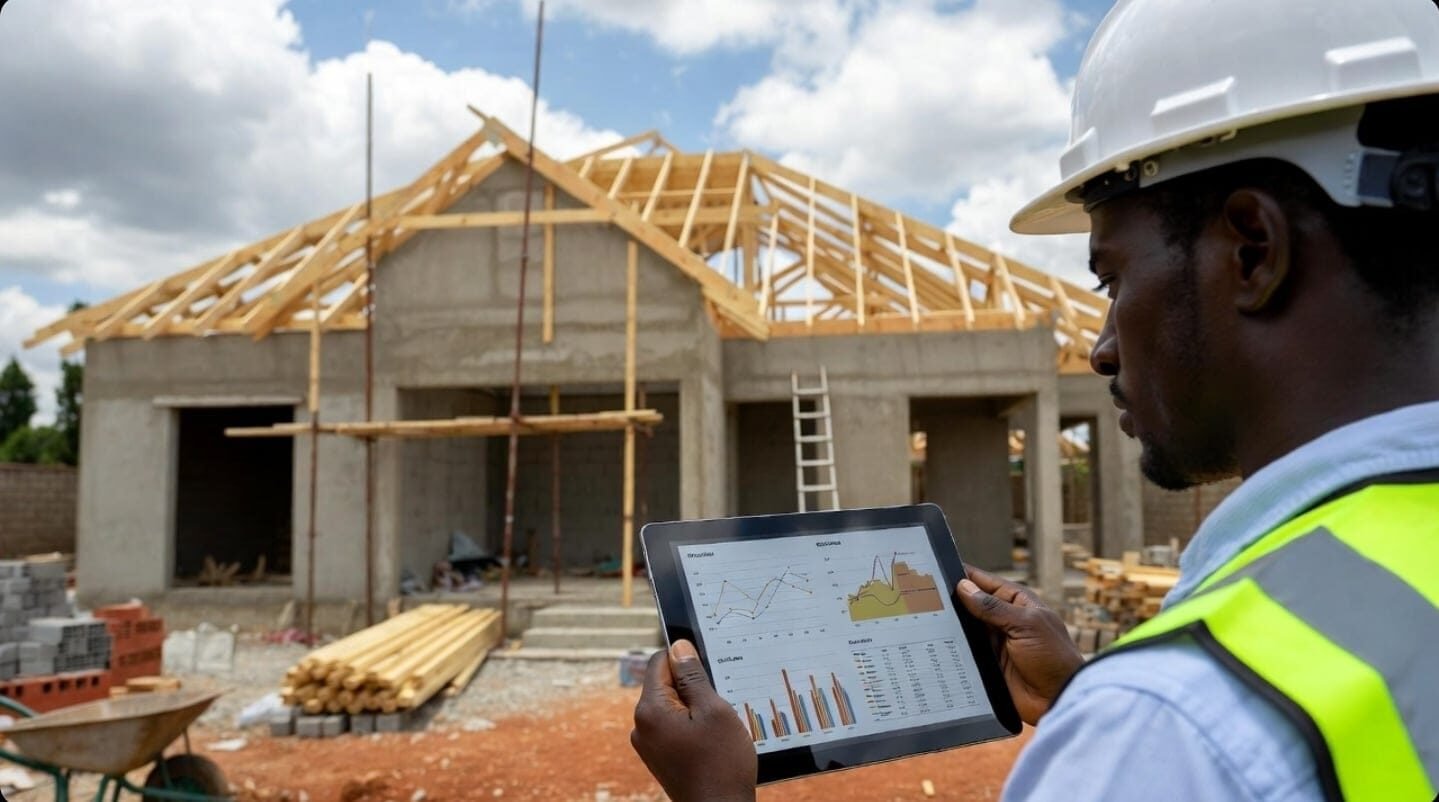
Finally, project documentation is vital. Procurement records, work progress reports, and financial statements help track expenditure and performance. You cannot manage what you cannot measure.
In summary, budgets are not protected by shortcuts or assumptions, but by thoughtful planning and professional implementation.
Timely approvals are equally important; delays extend the construction period, resulting in idle labor and exposure to price escalations.
For more information, reach out to us via info@rickfes.co.ke
At Rickfes Construction Ltd, we coordinate the workflow of all consultants, monitor project progress and manage communication between clients and contractors to prevent disputes and control costs. With structured planning and professional oversight, it is possible to deliver projects within budget and even achieve justifiable savings in the process.