

How To Make Your Construction Site Compliant in Kenya
Site compliance is not something obvious on many construction sites today. Developers and clients alike often decry the high costs of compliance and what may seem like “unrealistic” requirements, yet these measures are always in for their own good and general public. This responsibility largely falls under the control of a construction manager.
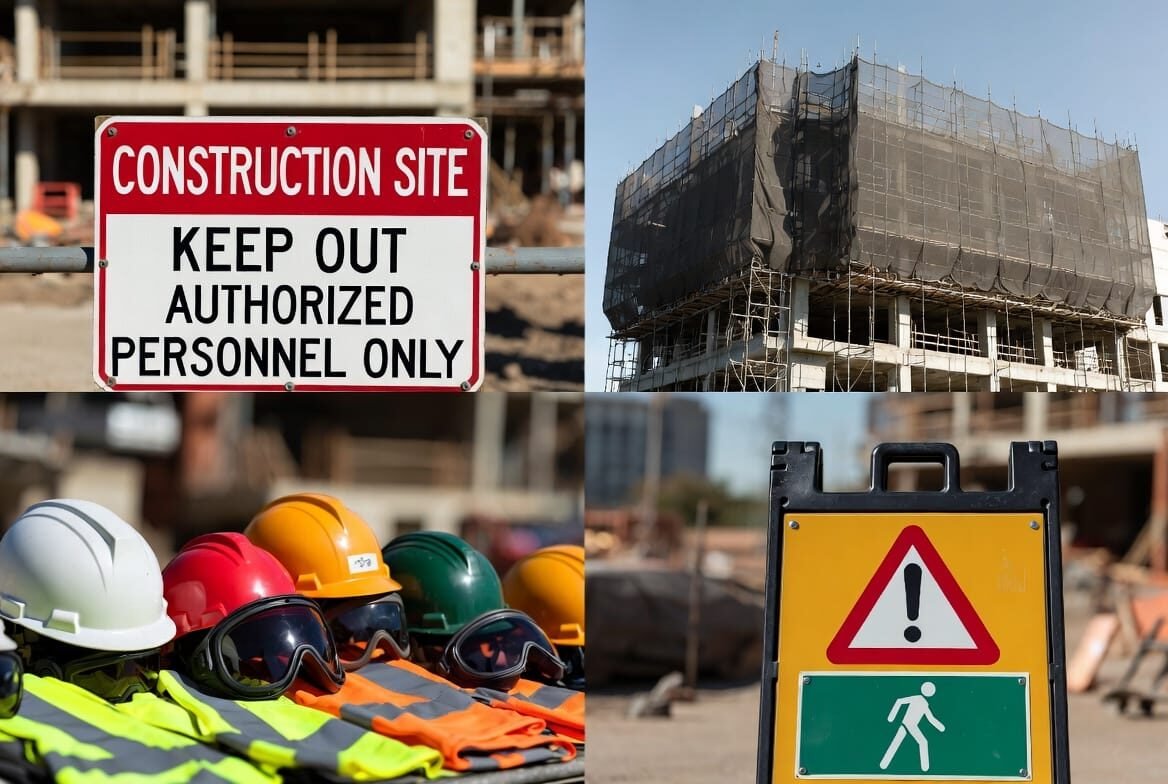
In Kenya, the regulatory and enforcement mandate lies with the National Construction Authority (NCA). You may have seen inspectors mark non-compliant sites with a “X” sign which is a clear indication of general compliance issues. Common items checked include:
- Lack of a signboard or incomplete signboard details
- Lack of Personal Protective Equipment (PPE) for workers
- Lack of hoarding or protective netting
- Absence of safety signage
- Engagement of workers not accredited by NCA
- Absence of the contractor or their representative on site
- Missing NCA project compliance certificate
In project costing and budgeting, these items fall under preliminaries and are typically provided for by the contractor. As such, compliance is not an additional burden but already part of the project structure and ultimately the responsibility of the contractor.
Compliance, however, goes beyond basic regulatory checks. A construction manager ensures proper site organization and operational efficiency. For any project exceeding three months, a site office is required. This is where drawings are displayed for reference, consultants hold meetings, and key records are maintained; such as the site instruction book and visitors’ register.
Additionally, every site must have essential facilities such as a toilet and a solid waste segregation area. For projects extending beyond one year, on-site accommodation may also be necessary. These provisions are critical in maintaining workflow efficiency and ensuring daily operations run smoothly.
When incidents such as building collapses or site accidents occur, compliance checks are among the first aspects reviewed. Depending on the findings, liability may fall on the developer or contractor.
In conclusion, compliance is not a one time activity but a continuous process from project initiation to completion. It helps ensure order and minimize site risks thereby possible to seamlessly deliver within set constraints of time, cost and quality.
Developers and clients alike often decry the high costs of compliance and what may seem like “unrealistic” requirements, yet these measures are always in for their own good and general public.
For more information, reach out to us via info@rickfes.co.ke
At Rickfes Construction Ltd, we provide professional construction management services that protect your cash flow, optimize productivity, and prevent cost overruns. For clients and contractors in Kenya, our role is to oversee execution, coordinate all stakeholders and ensure projects are delivered on schedule, within budget, and to the highest standards.