

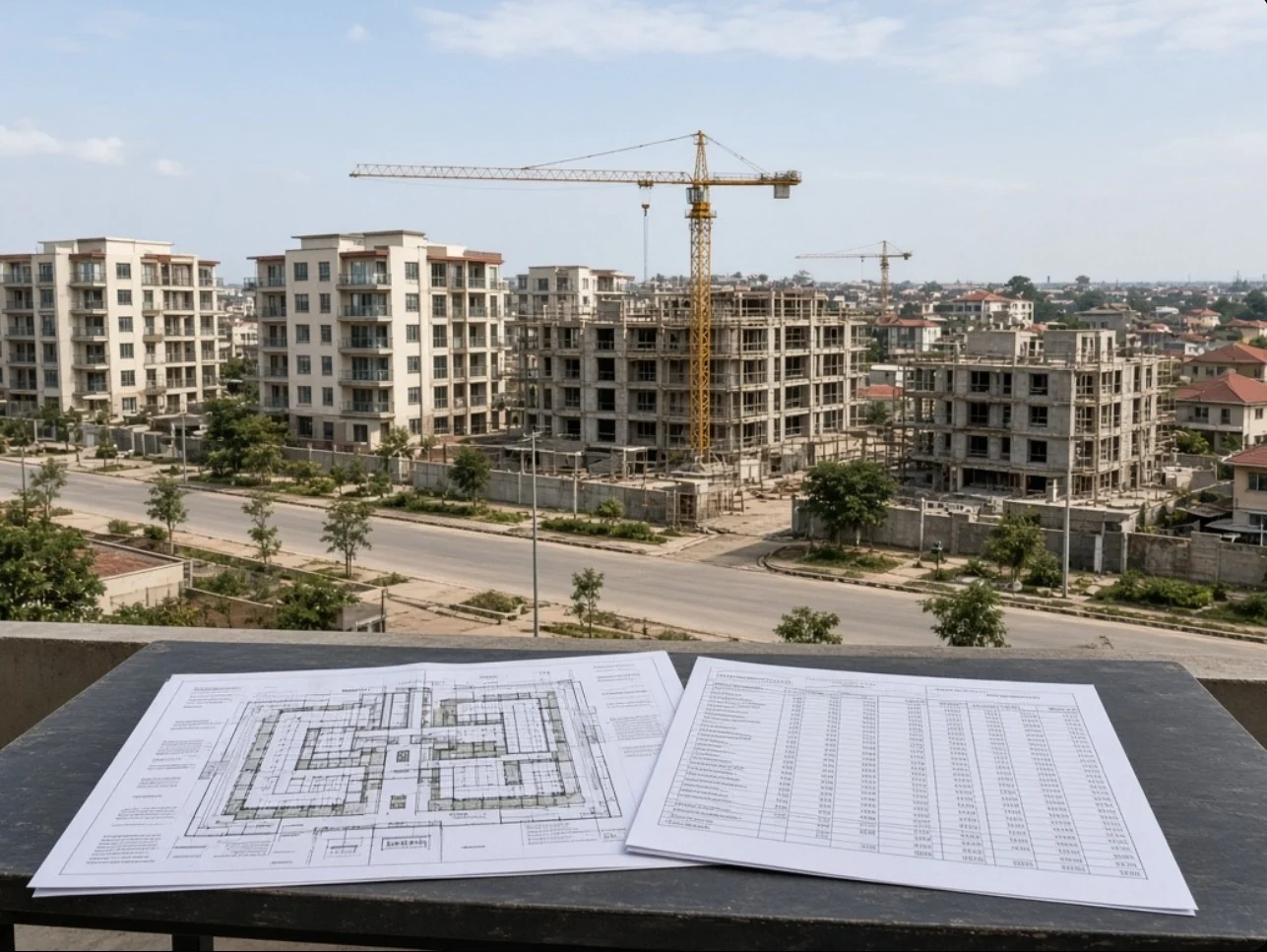
How to Structure a Successful Real Estate Investment in Kenya
Structuring a successful real estate investment is a journey, and every journey is a process. Investments are built on actual strategy and not hearsay or craze. Everything must be verifiable, whether it is expected returns, risks involved, case studies or market projections and all these must be considered on a long-term basis.
The first step is always to define the objective. It has to be clear, precise and intentional, with room for flexibility as the journey continues.
You might be looking for rental income, long-term capital appreciation, retirement assets or simply profits. This informs the choice of location, financing structure, investment threshold and investment period. Thereafter, is identifying the right investment opportunity within those parameters.
Many investors begin missing it at this stage because they no longer acknowledge the formal side of the journey, which will need a proper feasibility assessment. A feasibility study goes beyond the normal financials and paperwork. It is more about market validation, project viability and resilience. These are not copy and paste documents but come from a real study.
It is at this stage that financing terms are made very clear. If it is a loan, for example, it must be able to pay itself from the project cash flows. That means the development should be subjected to sensitivity analysis to see how far it can withstand variations in vacancy, insurance, unexpected maintenance and other costs.
If you are not developing as an individual with your own financing, this is also the stage to establish the appropriate ownership and investment structures.
This is particularly important for foreign investors because the structure of the investment and the local partnerships involved need to be properly understood from the beginning. The chosen structure can affect control, succession, profit distribution, liability and how decisions are made throughout the investment period.
Lest we forget, is also addressing risks involved. This should be properly analysed from two angles: risks that can be managed and risks that cannot be fully managed.
For example, an increase in the supply of rental units may lead to reduced demand for your property. This is a market risk that can potentially be anticipated and managed through proper positioning whereas an incoming pandemic that reduces demand in the area is different. You may not be able to prevent it, but you can assess beforehand how resilient the investment would be if such an event occurred.
An exit strategy also needs to be identified. Will you sell the property? Will you refinance it? Will it be repurposed if the original use becomes less profitable?An investment should not be structured around only one possible outcome. The ability to change direction can protect your capital when market conditions change.
In conclusion, due diligence together with strategic execution and disciplined management are the key determinants of breaking even. Where possible, first experiment on a small scale before committing large amounts of capital.
You might be looking for rental income, long-term capital appreciation, retirement assets or simply profits. This informs the choice of location, financing structure, investment threshold and investment period.
For more information, reach out to us via info@rickfes.co.ke
At Rickfes Construction Ltd., we support developers and investors through this process as part of our real estate development consultancy and investment facilitation services. This can include feasibility assessment, investment structuring, development planning, project management and execution support.