
Launch of the Kenya Decarbonization Roadmap 2026 – 2040 (GBPN)
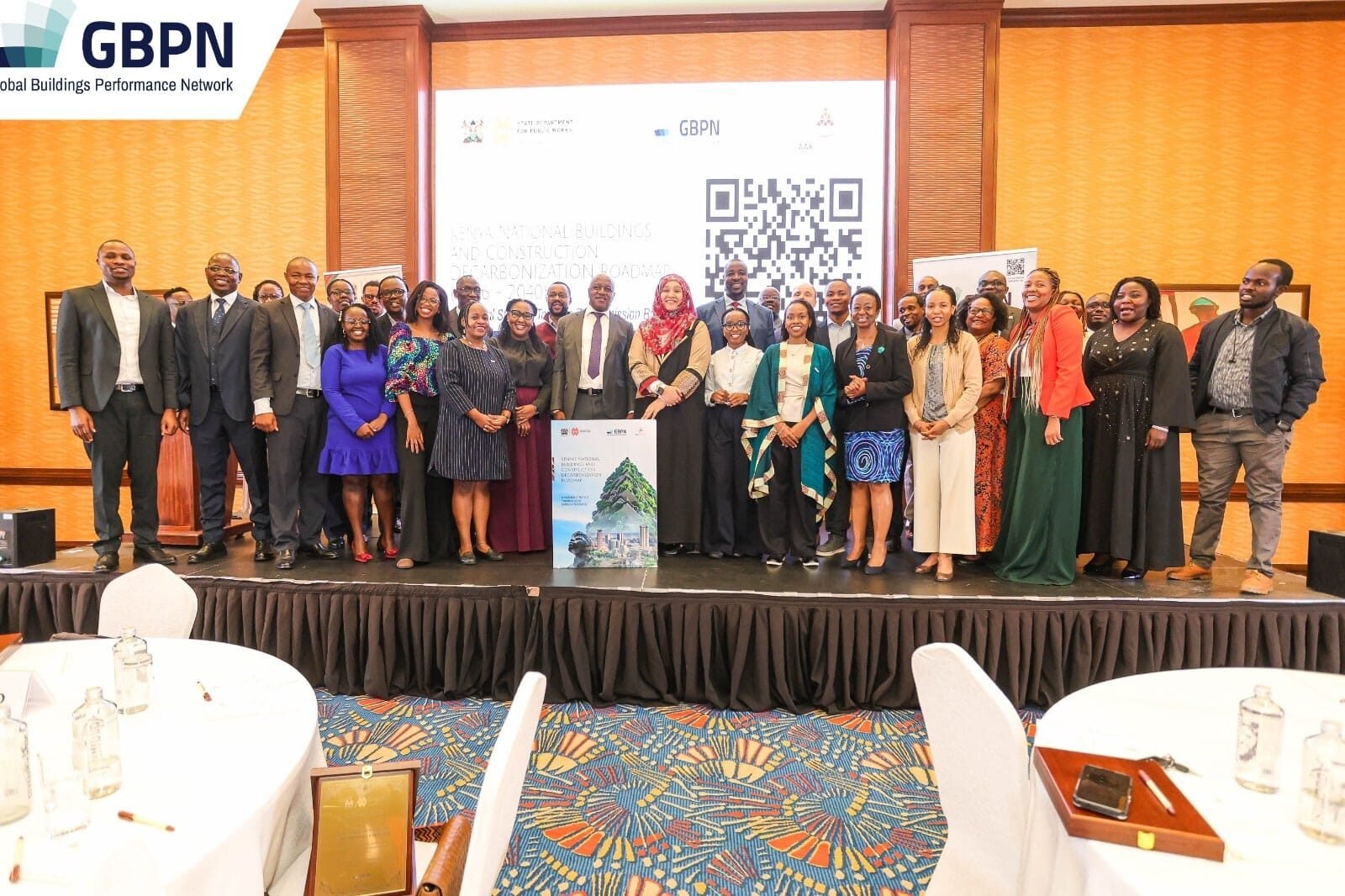
On Friday 26th February 2026, the CEO had the opportunity to attend the launch of the Kenya National Buildings and Construction Decarbonization Roadmap (2026–2040) in Nairobi. The roadmap represents an important milestone for the built environment sector as the country moves toward reducing emissions and promoting more sustainable construction practices.
The roadmap was developed by Global Buildings Performance Network (GBPN); collaboratively with the State Department for Public Works private stakeholders within the built environment in Kenya.
It provides a clear framework for reducing emissions in Kenya’s building sector while supporting economic growth and sustainable development.
GBPN is a global network focused on improving the energy performance of buildings and supporting countries in developing policies and strategies that lead to low-carbon buildings. Through research, collaboration, and knowledge sharing, the organization works with governments and industry stakeholders to accelerate the transition toward more sustainable construction systems.
Over the past two years, We had the opportunity to participate in the technical workshops and engagement sessions that informed the development of the roadmap.
These discussions brought together professionals from across the construction sector including Architects, Engineers, Construction Managers, Policymakers, Academic Institutions, Real Estate Developers and Financiers.
During the launch event, Rickfes Construction Ltd was recognized as a key contributor to the process and was honored with the Implementation Commitment Charter Plaque, acknowledging the role we played.
While policy frameworks and roadmaps are important, the real impact will come from how the sector implements practical solutions on the ground. One of the major contributions during the roadmap development process has been the need to rethink construction materials and building systems to reduce carbon emissions while maintaining affordability.
This is an area where alternative building technologies, particularly earth-based construction, present strong opportunities.
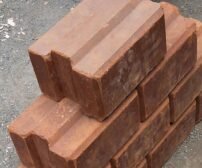
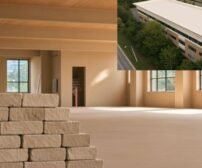
At Rickfes Construction Ltd, part of our work has been focused on exploring rammed earth and Interlocking Stabilized Soil Block (ISSB) technologies as viable alternatives to conventional masonry construction. These systems use locally available soil with minimal stabilizers such as cement or lime to create durable structural walls.
However, one of the key challenges facing alternative construction technologies is the need for stronger technical validation, standardization, and broader industry acceptance.
As part of our ongoing efforts to advance these technologies, Rickfes Construction Ltd has been engaging with institutions such as the Kenya Industrial Research and Development Institute (KIRDI) to explore opportunities for research, testing, and the development of standards around earth-based construction methods.
Kenya has set an ambitious target to significantly reduce emissions in the building sector. The next step is implementation.
As industry practitioners, our responsibility is to continue experimenting, sharing knowledge, and working collaboratively to turn these ambitions into practical solutions that benefit humanity and the environment around it.
When local expertise is engaged in building policy and regulation, it becomes a powerful lever for transforming the built environment. Promises don’t reduce emissions; policy implementation does.
For more information, reach out to us via info@rickfes.co.ke
At Rickfes Construction Ltd., we remain committed to partnering with like-minded organizations to help shape a more sustainable built environment and to actively contribute to conversations and practical solutions that move the sector forward.