

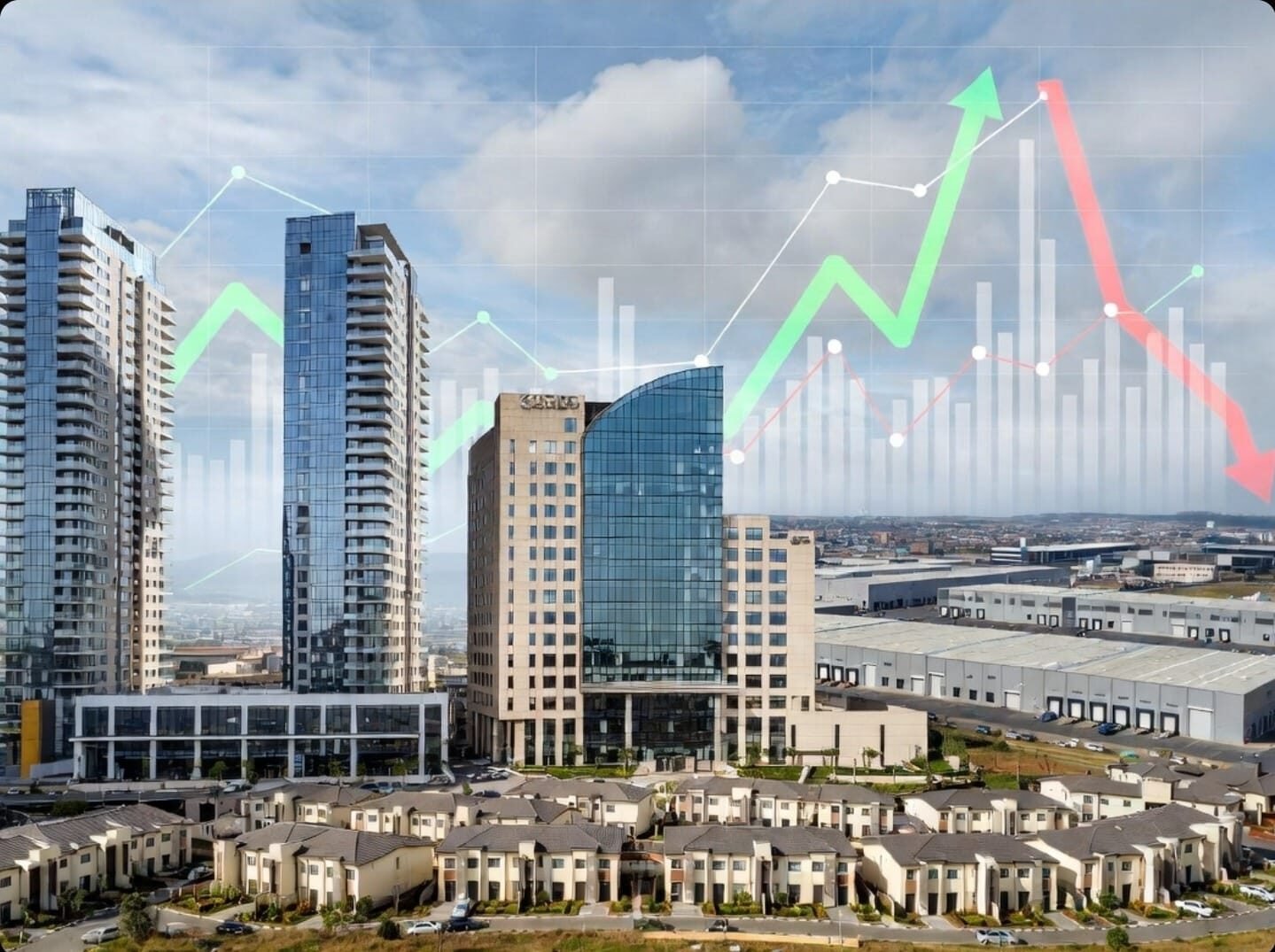
Market Rates of Various Types of Real Estate in Kenya
Real estate in Kenya is still growing and actively advancing, supported by increasing foreign investment. Strategic developers today are becoming more focused on bettering supportive amenities rather than relying on manufactured market hype which is no longer as effective as before. Buyers and investors now have greater access to information and make decisions with long-term financial impact in mind.
Every development comes with associated costs. These begin with:
- Land acquisition costs
- Legal and transaction costs
- Statutory approvals and permits
- Construction costs
- Professional consultancy fees
- Maintenance and operational costs, depending on whether the project is intended for sale or rental income
For an investment to make financial sense, the achievable selling or rental price must justify these costs while aligning with the purchasing habits of the target market.
We conducted a market analysis across the three major real estate sectors; residential, commercial and industrial with a primary focus on Nairobi as Kenya’s leading international property market. The figures below represent typical market ranges observed within the last three years.
Residential Real Estate:
1. Studio Apartments
- Typical size: 25 – 50 sqm
- Average selling price: USD 19,532 – 46,875
- Average rental price: USD 63 – 313 per month
2. One-Bedroom Apartments
- Typical size: 45 – 75 sqm
- Average selling price: USD 31,250 – 78,125
- Average rental price: USD 118 – 782 per month
3. Two-Bedroom Apartments
- Typical size: 75 – 130 sqm
- Average selling price: USD 50,782 – 140,625
- Average rental price: USD 196 – 1,172 per month
4. Three-Bedroom Apartments
- Typical size: 120 – 200 sqm
- Average selling price: USD 78,125 – 250,000
- Average rental price: USD 352 – 1,954 per month
5. Four-Bedroom Townhouses (Including SQ)
- Typical size: 220 – 450 sqm
- Average selling price: USD 171,875 – 742,188
- Average rental price: USD 547 – 3,516 per month
Commercial Real Estate:
1. Grade A Office Spaces
- Average selling price: USD 1,060 – 1,260 per sqm
- Average rental price: USD 9 – 13 per sqm per month
2. Grade B Office Spaces
- Average selling price: USD 1,001 – 1,050 per sqm
- Average rental price: USD 8 – 10 per sqm per month
3. Grade C Office Spaces
- Average selling price: USD 858 – 968 per sqm
- Average rental price: USD 7 – 8 per sqm per month
Industrial Real Estate:
1. Standard Warehouses
- Average selling price: USD 295 – 379 per sqm
- Average rental price: USD 3 – 5 per sqm per month
2. Prime Grade Warehouses
- Average selling price: USD 379 – 631 per sqm
- Average rental price: USD 5 – 7 per sqm per month
Understanding Market Outliers:
Lower-than-average prices may legitimately indicate:
- Lower land acquisition costs.
- Affordable and subsidized construction methods.
- Property is sold off-plan hence the discount.
- Minimal infrastructure provision.
However, unusually low pricing may also point to:
- Land ownership disputes or fraud risks.
- Poor construction quality.
- Hidden operational charges such as excessive service charge or development levies.
On the other hand, higher-than-average pricing may legitimately reflect:
- Expensive land acquisition.
- Prime infrastructure and accessibility.
- Better amenities and support services.
- Furnished units or serviced developments.
- ESG-compliant commercial buildings with sustainability advantages particularly in commercial and industrial real estate.
Illegitimately, however, higher prices may simply be driven by market hype targeting uninformed buyers.
In conclusion, investors should not evaluate property rates in isolation. The true value of a development lies in how well pricing aligns with location quality, project positioning, operating costs and long-term market demand.
Buyers and investors now have greater access to information and make decisions with long-term financial impact in mind.
For more information, reach out to us via info@rickfes.co.ke
At Rickfes Construction Ltd, we conduct detailed market studies and Comparative Market Analyses to guide project design, unit mix and pricing strategies. Our role is to ensure that every development decision is backed by data, aligned with demand and positioned for long-term performance.