
Remote Project Tracking for Kenyan Diaspora Investors
For the longest time, managing a construction or property development project in Kenya from abroad has depended on a relative, friend, contractor, caretaker or another trusted representative on the ground. Someone needs to be physically present to observe what is happening, communicate with professionals and report back to the investor.
The problem is that trust alone does not always provide accountability.
We have seen projects begin well, with regular communication and photographs being shared, only for the frequency and quality of reporting to decline as construction progresses. Photographs may arrive late, show only selected areas or fail to establish what has actually been completed. In some cases, the person entrusted with the project becomes the only source of information, creating opportunities for poor workmanship, unexplained expenditure, material losses, delays and, in the worst cases, misuse of funds.
One practical approach is to avoid placing the entire project under the control of one individual. Where possible, having at least two independent people involved in monitoring provides an additional layer of accountability. One may verify construction progress while another confirms deliveries, quantities or expenditure. The objective is to ensure that no single person becomes a gatekeeper.
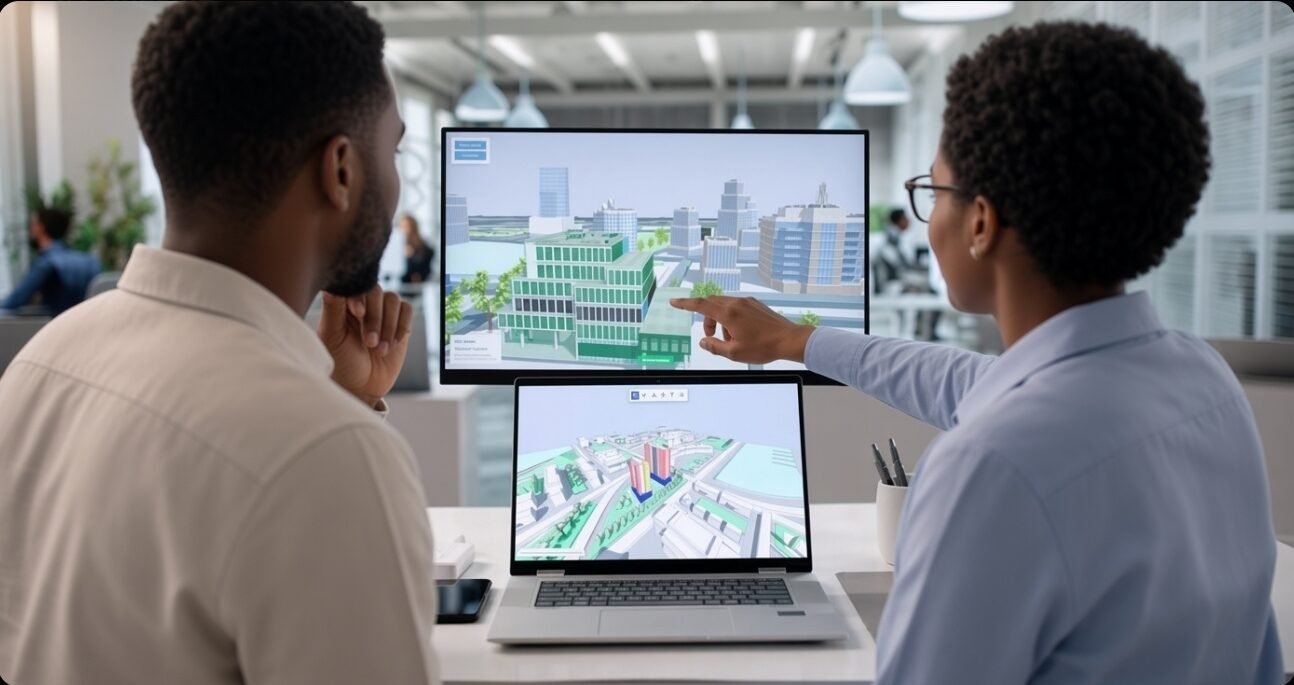
A more effective approach today is to combine physical supervision with technology. Remote project tracking has developed significantly, making it possible for an investor in Nairobi, London, Dubai, Washington or Melbourne to have greater visibility of a project taking place thousands of kilometres away.
This can involve 360-degree and remotely accessible construction cameras that provide continuous or scheduled visual monitoring through the internet. Instead of waiting for someone to send photographs, the investor can access the site remotely and see what is happening. The footage can also provide a visual record of site activities and help establish whether work is taking place, materials have arrived and activities correspond with the works programme.
However, technology should not be mistaken for professional supervision. A camera can show concrete being poured, but it cannot confirm whether the concrete mix is correct. A photograph of a completed wall cannot confirm that it meets the required specification. Remote monitoring works best when combined with independent professional oversight.
For the diaspora investor, this means creating a proper reporting structure. The contractor and consultants should have clearly defined responsibilities, while the investor receives structured reports showing progress against the programme, expenditure against the budget, variations, materials procured, payments made, outstanding decisions and risks requiring attention.
There is also an important financial strategy. Payments should, where practical, be linked to measurable milestones, certified work or agreed procurement schedules. Material purchases should be supported by quotations, invoices, delivery notes and appropriate documentation. When financial records are combined with physical progress reports, it becomes easier to establish whether expenditure corresponds with what has actually been constructed.
Remote monitoring should also consider privacy and contractual requirements. Cameras should monitor legitimate project areas, access should be restricted to authorised persons, and the ownership, retention and use of recordings should be clearly established.
In conclusion, distance should no longer mean surrendering control but to create a system that allows you to independently establish the general progress.
Where possible, having at least two independent people involved in monitoring provides an additional layer of accountability.
For more information, reach out to us via info@rickfes.co.ke
At Rickfes Construction Ltd., we help clients and diaspora investors manage their construction and property development projects in Kenya through professional project management, construction monitoring and structured reporting; whether you are building from abroad or simply need independent oversight of your investment.