
The Complete Guide to Building an Off-Grid Home in Kenya
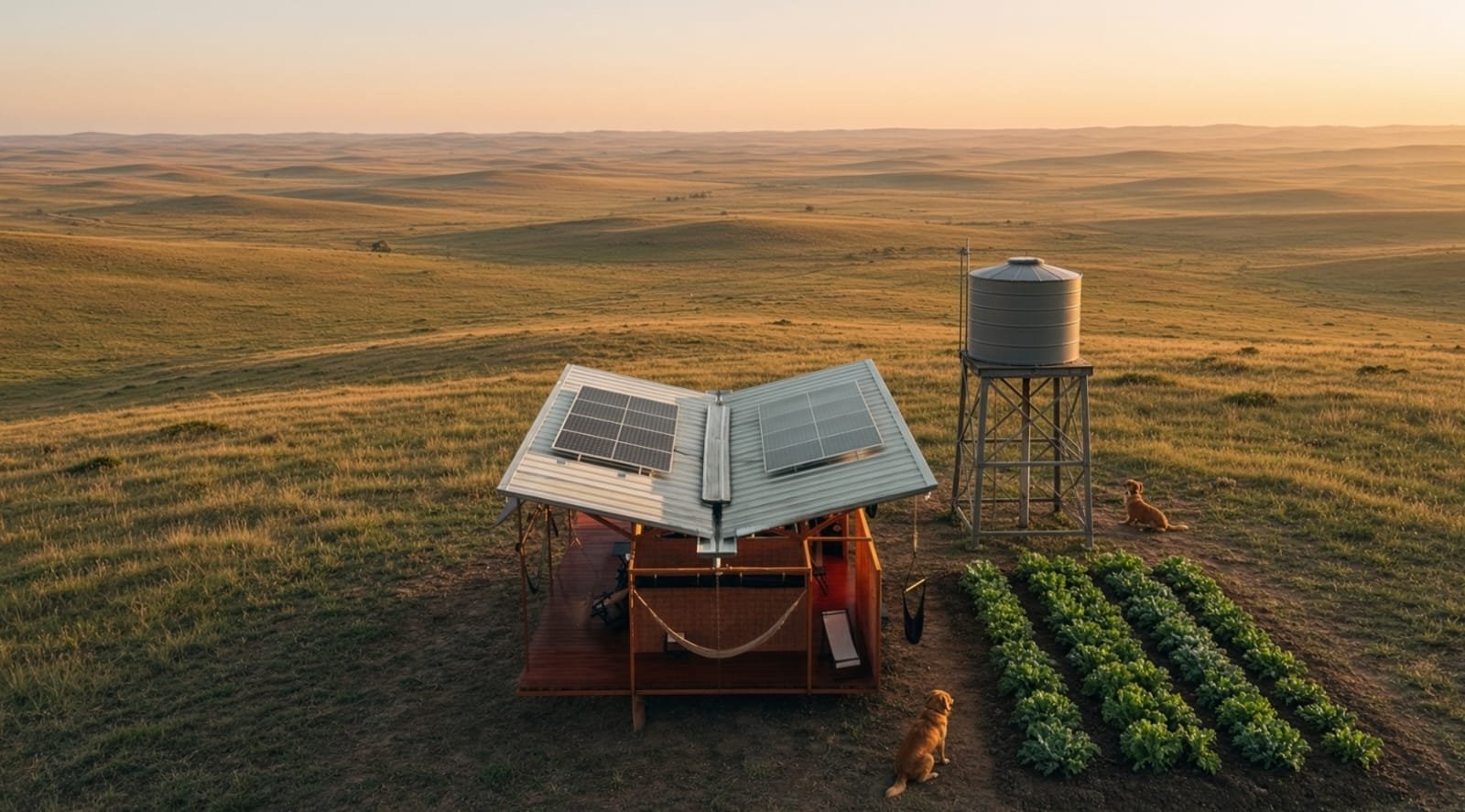
Building an off-grid home in Kenya is an attractive option for anyone looking to live away from the congestion of urban centres, enjoy greater privacy or have a weekend retreat outside the city. However, moving away from conventional utility connections does not automatically make a property cheaper to build or easier to maintain.
An off-grid home requires deliberate planning. Beyond the actual construction, there are infrastructure costs, operational considerations and practical decisions that determine whether the property will serve its intended purpose.
Identify the objective of this choice
Start by defining what you want from the property. Is it intended to be your permanent residence, a retirement home, a holiday house or simply a weekend getaway? A permanent residence needs reliable water, electricity, internet connectivity, waste management and convenient access to essential services. A weekend retreat may require a simpler setup, with lower daily consumption and fewer operational demands.
Choosing the location
Next up is balancing privacy and convenience. An off-grid home does not have to mean complete isolation. While the objective may be to escape the noise and congestion of the city, the property should still be accessible and reasonably close to essential amenities. Other essentials include good accessibility, secure neighbourhood (saves on cost of security measures) and network coverage. A beautiful piece of land is not necessarily a practical building site. Visit the property at different times and, if possible, during the rainy season.
Additional costs
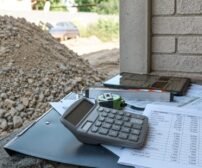
Budgeting for sunken costs is also critical as most of the times, a budget is only made for the construction bit. Such include: water supply (possibly sink a borehole), electrical supply (possibly solar power), waste water management (a sewer/bio-digester and water storage (tanks for rain water/pans for run-off water.
Investing in a good design
One mistake in off-grid developments is designing a conventional house and then trying to make it operate independently. For example, a large house with multiple bathrooms, extensive outdoor lighting, electric cooking and several appliances will require a significantly larger solar installation and water supply than a modest minimalist house, of course subject to the available budget.
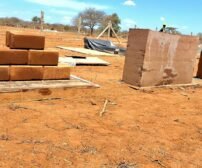
Its also good to get the basics right such as house orientation such as positioning windows o take advantage of natural lighting thereby saving energy costs for the day. Incorporating materials suitable to local climate is also key especially what we do with rammed earth. Designing with future expansion in mind is also critical to offer convenience at such a time.
It is from the design that you can gauge your maintenance cost for a particular period of time for proper budgeting, whether its from energy, waste, water etc.
In conclusion, its important to understand what living off grid comes with aside from what you are made to believe from social media. Do not commit your entire budget to the house and leave the supporting infrastructure such as reliable water, electricity or proper sanitation unfinished as that is what will make the home functional.
An off-grid home does not have to mean complete isolation. While the objective may be to escape the noise and congestion of the city, the property should still be accessible and reasonably close to essential amenities.
For more information, reach out to us via info@rickfes.co.ke
At Rickfes Construction Ltd., we help you explore and implement practical construction solutions for off-grid living, including rammed earth and other alternative building systems. We help assess material suitability, construction methods, costs and performance to develop homes that respond to their environment and intended use.