
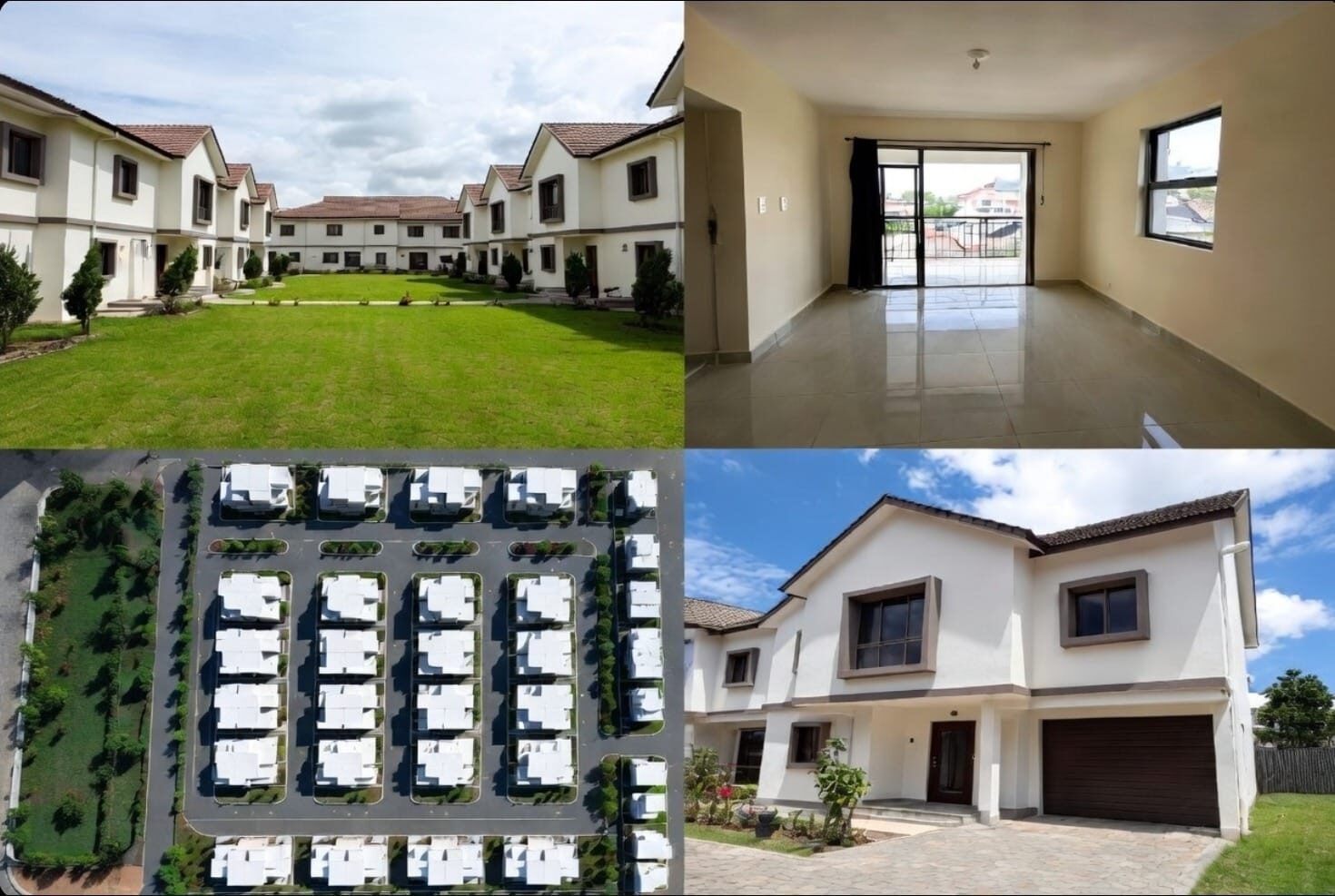
The Process of Buying an Apartment in Kenya
For expats or those in the diaspora who choose not to build a house for whatever reason, buying a ready unit/offplan is also an option, but not automatically the less risky one. Buying property is a process, not an event, and it is advisable to have a professional guide you through it from the ground up.
Due diligence is still very necessary, especially regarding the developer you are engaging. The entity does not have to be a large or well-known brand, but it should at least have a verifiable track record of delivery, not have frequently changed its business name or address and no court cases. The process is as follows:
1. Identify the property
The source of the property matters and referrals are often the most reliable. You should also check for reviews of the developer and if possible, physically visit the project location to understand the surrounding environment and infrastructure.
2. Engage the developer through an agent
Once the property is identified, your agent will connect you with the developer. At this stage, you can discuss the offer price, payment terms and other conditions depending on what the developer has already proposed.
3. Receive the offer letter
Once preliminary terms are agreed upon, the developer issues an offer letter capturing the agreed conditions, including purchase price and payment terms. Common terms include a reservation fee and/or a deposit, usually between 10% and 20% of the purchase price.
At this stage, it is important to involve your lawyer and determine whether escrow accounts are necessary for the transaction. A reservation fee is typically refundable only if the building plans have not yet been approved or if the construction start date remains unclear. It is important to note that the offer letter itself is not legally binding.
4. Conduct detailed due diligence
After signing the offer letter, usually within about 14 days, you should intensify your due diligence beyond the initial checks conducted earlier. Working together with your agent, lawyer and a surveyor, verify the title details, company registration records, and the approved building plans for the project.
5. Sign the sale agreement
Once the due diligence stage is satisfactory, the sale agreement is prepared and signed. This is the legally binding document that outlines the full payment structure.
For off-plan projects, the payment schedule is often tied to the construction period and structured as periodic payments. For ready-to-occupy properties, payments are typically completed within 90 days from the date of signing the agreement.
For off-plan purchases, it is important to avoid committing to a strict monthly payment plan if the construction start date is still unclear. For example, if approvals have not yet been obtained. Instead, payments should ideally be tied to construction milestones.
The sale agreement should also be carefully scrutinized to determine whether it allows future modifications to the unit and whether the service charge is fixed or subject to escalation over time. At this stage, buyers are typically required to provide their KRA PIN and copies of identification documents, such as a national ID or passport.
6. Handover and sectional title registration
During the final stage of the project, the developer must apply for sectional titles at the land registry so that each apartment or townhouse unit receives its own title register.
Once this process is confirmed, the final balance of the purchase price is paid. The developer then provides the completion documents, most importantly the sectional title, which serves as proof of ownership.
It is also important to note that many properties in Kenya are held under leasehold tenure. Lease periods can be renewed, and in developments such as apartments or townhouses, the renewal process is usually handled collectively through a management corporation formed after sectional titles are registered.
Finally, buyers should account for additional transaction costs. As a general guideline, it is advisable to add at least 5% to the purchase price to cover expenses such as stamp duty, legal fees and related administrative costs. For buyers acquiring multiple units, total transaction costs may rise significantly depending on the structure of the purchase.
Buying property is a process, not an event, and it is advisable to have a professional guide you through it from the ground up.
For more information, reach out to us via info@rickfes.co.ke
At Rickfes Construction Ltd, we advise clients on housing strategies, whether renting, buying or building. From financial planning to project structuring and professional construction oversight, we ensure that your housing choices in Kenya are sustainable, aligned with your lifestyle and positioned for long-term satisfaction.