
Viability of Developing a Wellness Retreat in Kenya
There is a noticeable change in how people are spending their free time. A hike organised through a WhatsApp group, a weekend run with people they have never met, a long walk in the forest, or a group fitness session can now bring together people from very different backgrounds. A dedicated wellness retreat built around ordinary physical activity, nature and social interaction can be part of this conversation and also be commercially viable.
There is already a market for the activity. It could be a place where people come for a few hours, a day or an entire weekend to walk, stretch, exercise, rest and spend time outdoors. Whether solo or as a group. Hiking groups, running clubs, cycling groups, walking groups and informal fitness communities already exist, particularly around Nairobi and other urban centres. Nature trails exists as well. So what is the opportunity presented here?
The problem is that many of these activities are organised around the activity itself rather than the overall experience.
A group may meet at a trailhead, complete a hike and leave. A running group may finish its route and disperse. There is limited opportunity to extend the experience into a full day of recovery and relaxation. A wellness retreat could sit between an outdoor recreation facility and a hospitality business.
A wellness retreat does not necessarily require a spectacular tourist destination, but it needs a setting that feels different from everyday urban life. Trees, views, clean air, quiet surroundings, natural walking routes and usable outdoor space are the perfect fit.
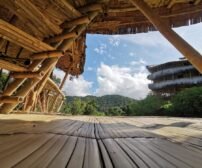
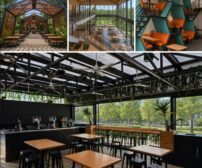
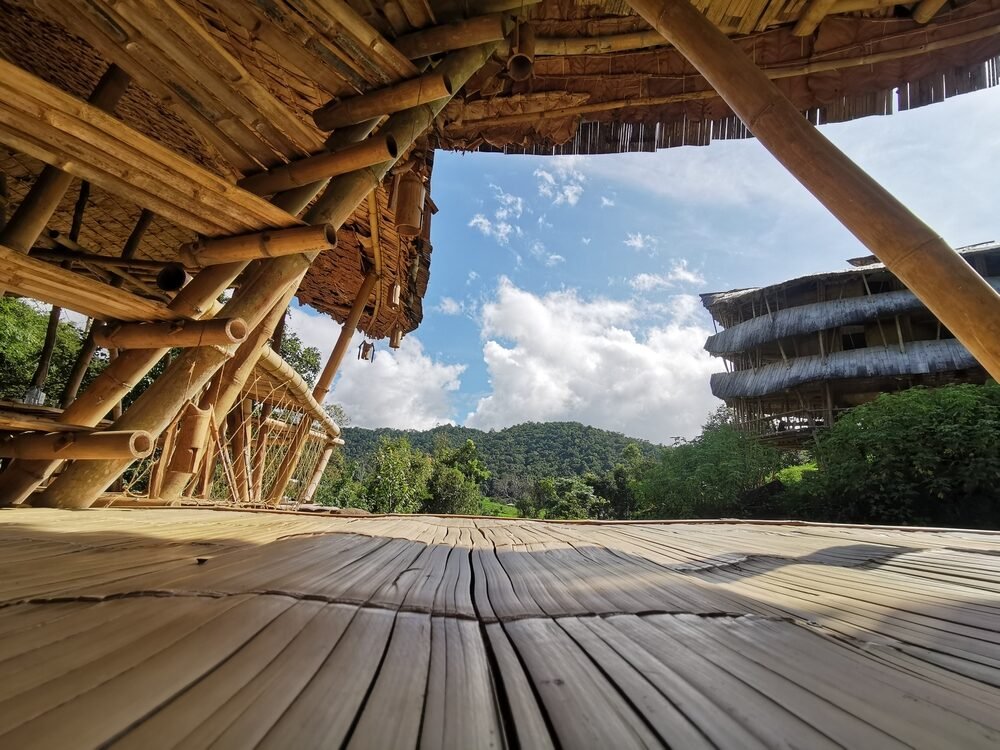
The infrastructure and built in facilities themselves can also form part of the experience. Open-sided structures, shaded outdoor spaces, natural materials and landscaped exercise areas may be more appropriate than enclosed, air-conditioned fitness rooms.
The idea can be seen in some wellness destinations in Bali, where yoga and other activities are conducted within carefully designed bamboo structures surrounded by vegetation. The attraction is not simply the exercise. The setting becomes part of the product.
A typical day could include guided walks, aerobics, yoga, stretching, mobility exercises, dance-based fitness, breathing sessions and light conditioning. There could also be spaces for massage, a sauna or steam room, quiet areas and social spaces.
Existing hiking and running communities could become an important customer base. Instead of competing with these groups, the retreat could provide them with a destination.
For example, a hiking group could complete a morning trail, return for lunch, use the wellness facilities and participate in an afternoon recovery session. A company could book the same facility for a staff wellness day.
The opportunity is particularly interesting because the core activities are relatively inexpensive. Walking does not require expensive equipment. Group aerobics does not require a large gym floor full of machines. Outdoor exercise can use the landscape itself.
In conclusion, the viability would depend on whether the operator can build a strong local customer base, keep construction and operating costs under control, create a distinctive physical setting and generate revenue throughout the week rather than relying only on weekend visitors.
For more information, reach out to us via info@rickfes.co.ke
At Rickfes Construction Ltd., we help investors assess whether concepts such as wellness retreats can work commercially before committing significant capital. We assess the market, location, development costs, operating model, revenue potential and risks to help determine whether the opportunity is viable and how it can be structured for implementation.