
Viability of Offgrid Resort Style Accommodations in Kenya
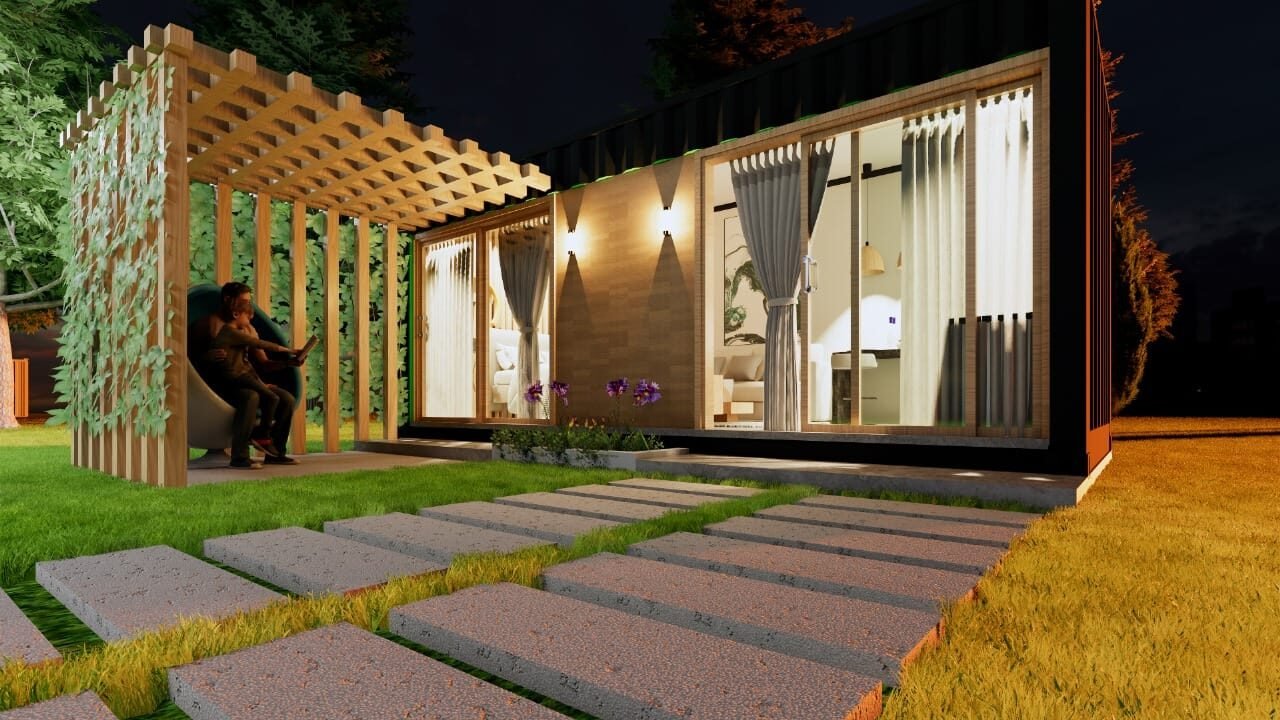
Off-grid living is a growing trend today, both in Kenya and globally. In most cases, it has largely been adopted for private single-dwelling residences, often in hidden locations where owners seek independence, privacy and a simpler way of life.
Over the years, resort-style developments of this nature have also emerged, mostly centered near attraction sites such as game parks and reserves where guests enjoy wildlife experiences or scenic areas with mountain views, hiking trails and outdoor activities.
However, independent off-grid staycations that are not necessarily influenced by wildlife or scenery are still uncommon in Kenya. We have increasingly received inquiries on their viability, and like every serious development venture, the first step is always a feasibility study.
The biggest consideration here is the target market. For whom will it work for? It may serve as a stopover destination, a quiet retreat, a remote holiday home, or simply an escape from urban noise. There is a growing clientele that values complete quietness, privacy and minimal distraction. People willing to pay for space, calmness and exclusivity, not event interest in the wildlife or sceneries.
In terms of cost, land acquisition may actually be more favorable compared to urban resort developments. Most of these locations are in remote areas, where land is relatively cheaper and in some cases available as community land or under lease arrangements. This improves project entry costs considerably.
Developers also have flexibility to build in a way that reflects the local culture without compromising form and function, while using locally available materials to keep certain construction costs manageable, except for specialized items that must be transported over long distances.
Operational planning, however, is where viability is truly tested. Accommodation facilities naturally carry recurring expenses; electricity, water supply, cleaning, repairs from accidental breakages, theft, vandalism and general upkeep. Insurance may absorb some of these risks, but many remain operational burdens to the owner.
Since these areas are typically remote and lack utility infrastructure, developers must create their own systems. This often means investing in:
- Solar power systems with storage backup.
- Boreholes or reliable water harvesting systems.
- Sustainable waste disposal solutions.
- Security systems suited for remote environments.
- On-site staff accommodation and management facilities.
These raise initial capital costs, but if properly structured, they create long-term operational independence.
Unlike a typical urban Airbnb surrounded by neighbours, traffic and constant activity, off-grid resort accommodation offers a very different experience. It is a calm environment where guests disconnect, enjoy silence, listen to the wind and reconnect with nature. That experience alone has growing market appeal when targeted correctly.
Where development and maintenance costs are well managed, the typical payback period can be less than three years. The biggest threat to profitability is often poor expense management, which is where many owners get it wrong.
In conclusion, off-grid resort style accommodation in Kenya is viable, but viability must be proven through numbers. The concept may be attractive, but only a proper feasibility study can expose whether the market, costs and projected returns make it profitable and that is part of what we do.
For more information, reach out to us via info@rickfes.co.ke
At Rickfes Construction Ltd, we conduct detailed market studies and Comparative Market Analyses to guide project design, unit mix and pricing strategies. Our role is to ensure that every development decision is backed by data, aligned with demand and positioned for long-term performance.