

Viability of Tourist Accomodations in Kenya
For the longest time, the approach has been to build hotels, lodges, and resorts while anticipating tourist arrivals. That still works, but you may find yourself competing with much bigger players who have already established international standards and may not be affordable for a new entrant.
The opportunity, however, is to approach tourist accommodation differently by understanding why they are travelling and what type of accommodation they actually need. This is where a proper feasibility study becomes important before committing capital.
You can develop on a small scale if you pay attention to changing behavioural demands coupled with the experience the tourist is looking for. The accommodation market is now more diverse as there are new generational preferences and destination options.
A backpacker only needs a clean, safe bed for one or two nights. A long-distance traveller needs a good stopover for the night. An adventurist needs a remote camp with basic shared facilities. A high-end tourist who is the conventional one needs exclusivity, particularly off-grid. To further illustrate, below are some of the accomodation options to look at:
- Short-Stays -built to suit specific targets. It is not the ordinary hostel but an affordable option to Airbnbs for the tourist to sleep for a week maximum as they head to another location. Revenue is from one space and a quite a number of occupants, which reduces the development cost.
- Stop overs – offers convenience to an ongoing journey, particularly on a route offering multi-destination travel and good attraction spots such as scenic views or access to wildlife. The accommodation therefore becomes part of the itinerary as it offers a comfortable and memorable place to break a journey.
- Off-Grid Camping – Good for adventurists and needs minor developments in the form of shared amenities and serviced pitches. The land is the token to capitalize on, especially if in an area with a good sporting activity.
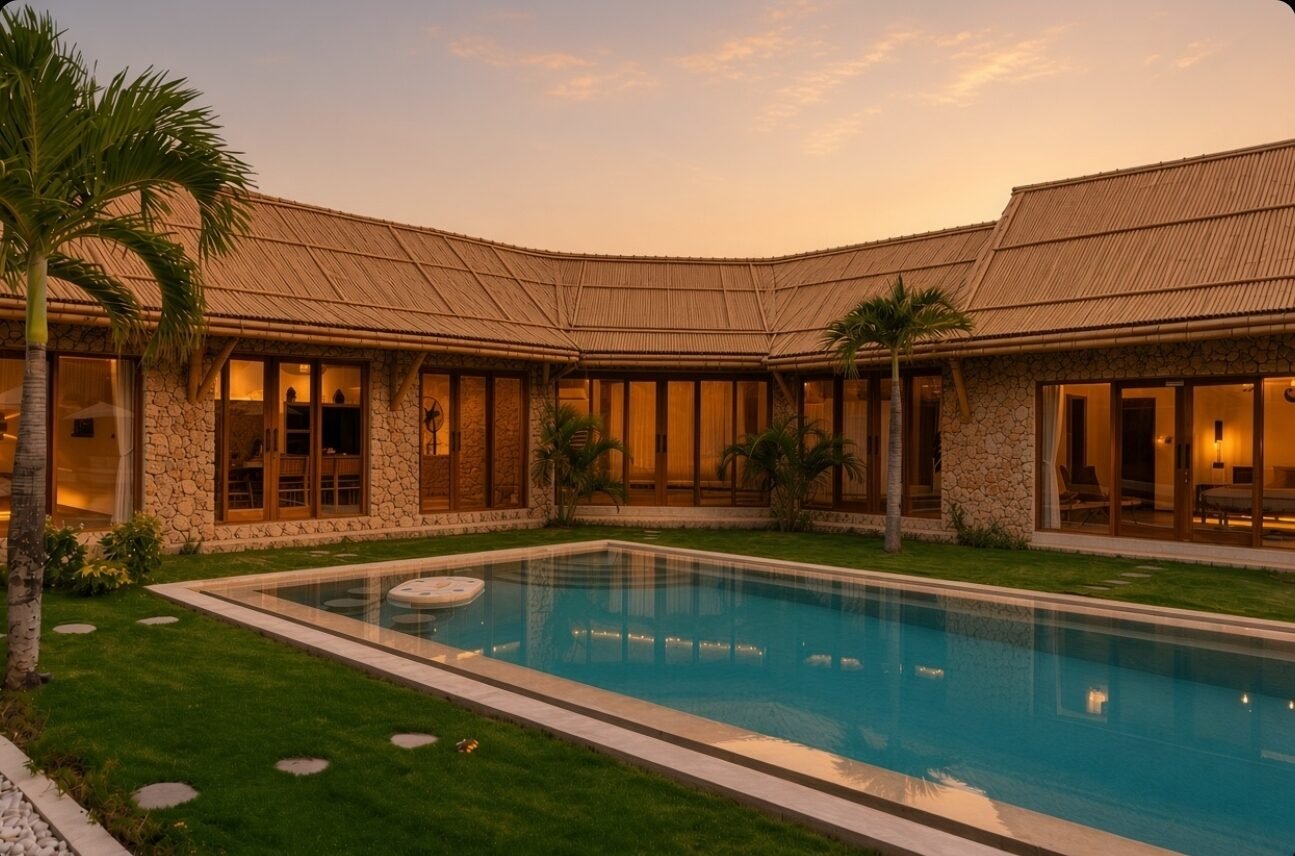
- Off Grid Luxury – imilar to hotels but with more calmness and a distinctive experience. This is for high-end targets but can still be developed affordably as the attraction is more about the experience.
Location matters. Experience matters more, especially in the convenience and the unique treat. Even the built structure itself can be a whole attraction if built unconventionally.
The investment opportunity lies in understanding the movement of people around those resources and designing accommodation around their actual needs. The most viable projects will be those that combine a compelling tourism experience with disciplined real estate economics and proper management.
Before investing, however, the numbers still have to make sense. Land cost, construction cost, expected occupancy, room rates, operating expenses, seasonality and the expected payback period all need to be evaluated. What works for one tourist destination may not work for another, even where the accommodation concept looks similar.
In conclusion, approach to tourist accommodation does not need to be a large hotel or resort to become a viable investment. Where target market and development model are properly aligned, experiential hospitality can be achieved with low budget developments.
The most viable projects will be those that combine a compelling tourism experience with disciplined real estate economics and proper management.
For more information, reach out to us via info@rickfes.co.ke
At Rickfes Construction Ltd., we help investors assess these opportunities through feasibility studies, looking at the market, location, development costs, expected revenues, risks and overall viability before significant capital is committed. This also includes setting up pilots for further validation.