

Why You Need to Finish That Project on Time
By common definition, a project is an endeavor with a definite start time and finish time, requiring a combination of resources to be realized. Every construction project is generally controlled by three key constraints: scope, time, and cost. Scope defines what is to be done and how it will be executed. Time determines how long the work should take, while cost represents the financial resources allocated to the project.
Today, the greatest issue often overlooked is time, yet it directly affects all other aspects of construction. In an ideal scenario, a standard building project may take an average of one and a half years when the defects liability period is included.
Many homeowners assume this is a long duration, yet even a simple 3-bedroom bungalow can experience delays beyond one year despite the actual structural works being possible within three months.
Most delays begin during the design stage. An architect may be pressured to deliver drawings within an unrealistic timeframe, leaving little room for thorough technical coordination and design review. The rest of the design team also follow suit.
The result is incomplete coordination, impractical detailing and frequent changes once construction has already started on site. These adjustments consume additional time and money.
In some cases, delays are also client-driven. Midway changes to layouts, finishes, or structural elements often interrupt workflow and affect previously approved schedules. Without proper management, such changes quickly become a source of project overruns.
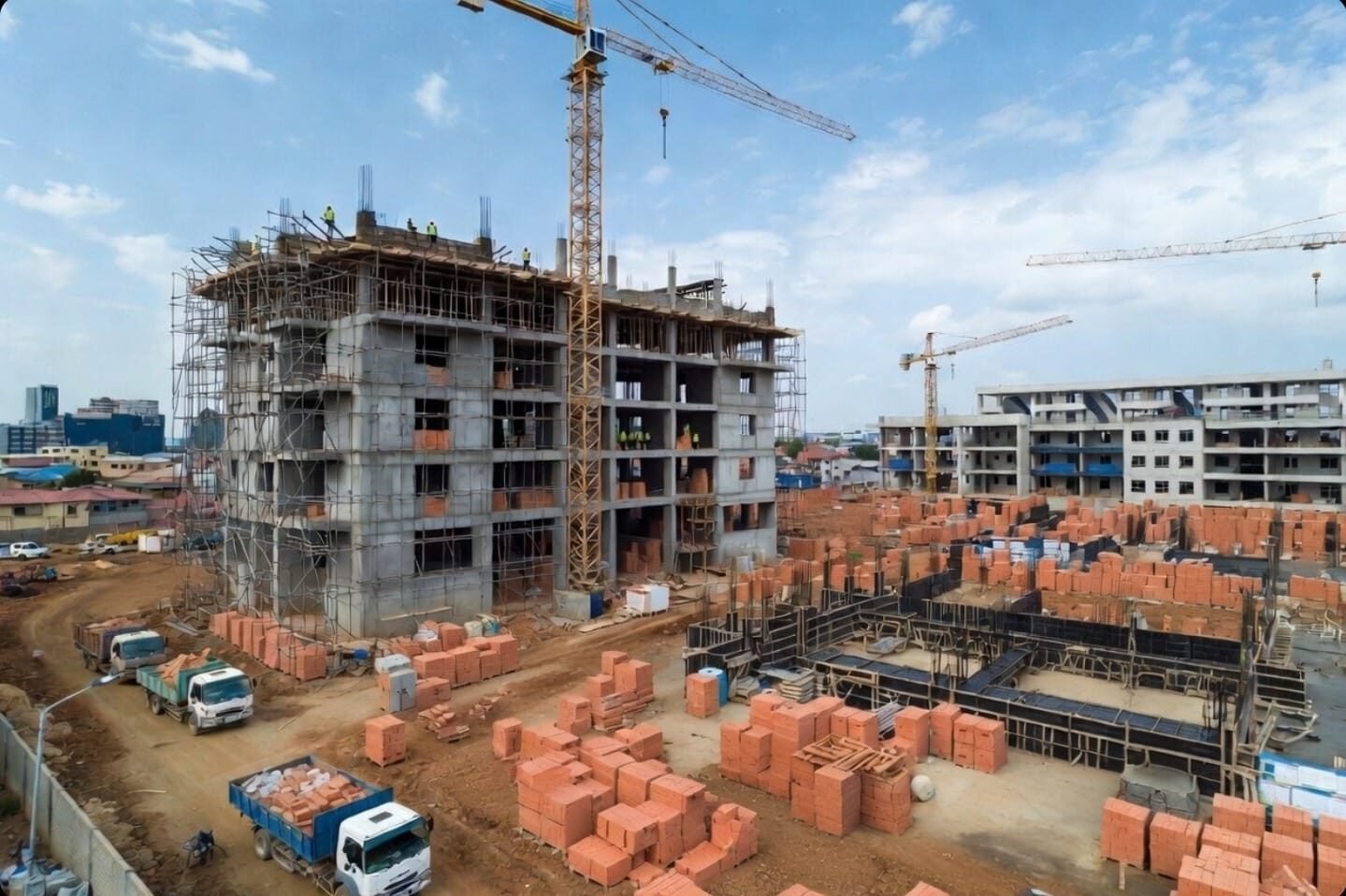
During the construction phase, delays mainly arise from poor coordination on site. Activities may not be properly sequenced, subcontractors may clash and materials may fail to arrive on time.
Poor workmanship further worsens the situation because defective works require redoing, increasing both time and cost.
On the client side, delayed approvals are another common issue. Slow release of payments, delayed confirmations, or unclear instructions create interruptions that affect site productivity.
Clients building in phases also sometimes fail to communicate this strategy early enough, making resource planning difficult for contractors and consultants.
As delays continue, the consequences become more severe. Buildings may begin developing maintenance issues before occupation. Workforce turnover creates inconsistent workmanship, leading to repetitive corrections.
Contractors also begin charging for extended preliminaries such as water, electricity, equipment hire, security, and temporary facilities that remain in use beyond the original contract period.
At the same time, material prices continue fluctuating, with the additional cost ultimately transferred to the client.
For income-generating developments such as apartments and offices, delayed completion directly affects profitability.
Every month lost in construction is a month without rental income or sales revenue. This extends the payback period and weakens the expected return on investment.
This is why professional construction management is important during execution. Construction management ensures proper coordination of consultants, contractors, suppliers, approvals, procurement schedules and daily site operations. It helps identify risks early, reduce delays, and maintain accountability throughout the project lifecycle.
In conclusion, time should never be treated as a secondary issue in construction. Delays affect finances, workmanship, project coordination and long-term returns. Through proper planning, supervision and professional management, projects can be delivered more efficiently.
Midway changes to layouts, finishes, or structural elements often interrupt workflow and affect previously approved schedules. Without proper management, such changes quickly become a source of project overruns.
For more information, reach out to us via info@rickfes.co.ke
At Rickfes Construction Ltd, we provide professional construction management services that protect your cash flow, optimize productivity, and prevent cost overruns. For clients and contractors in Kenya, our role is to oversee execution, coordinate all stakeholders and ensure projects are delivered on schedule, within budget, and to the highest standards.